Building a Workforce Ready for the New BANI World
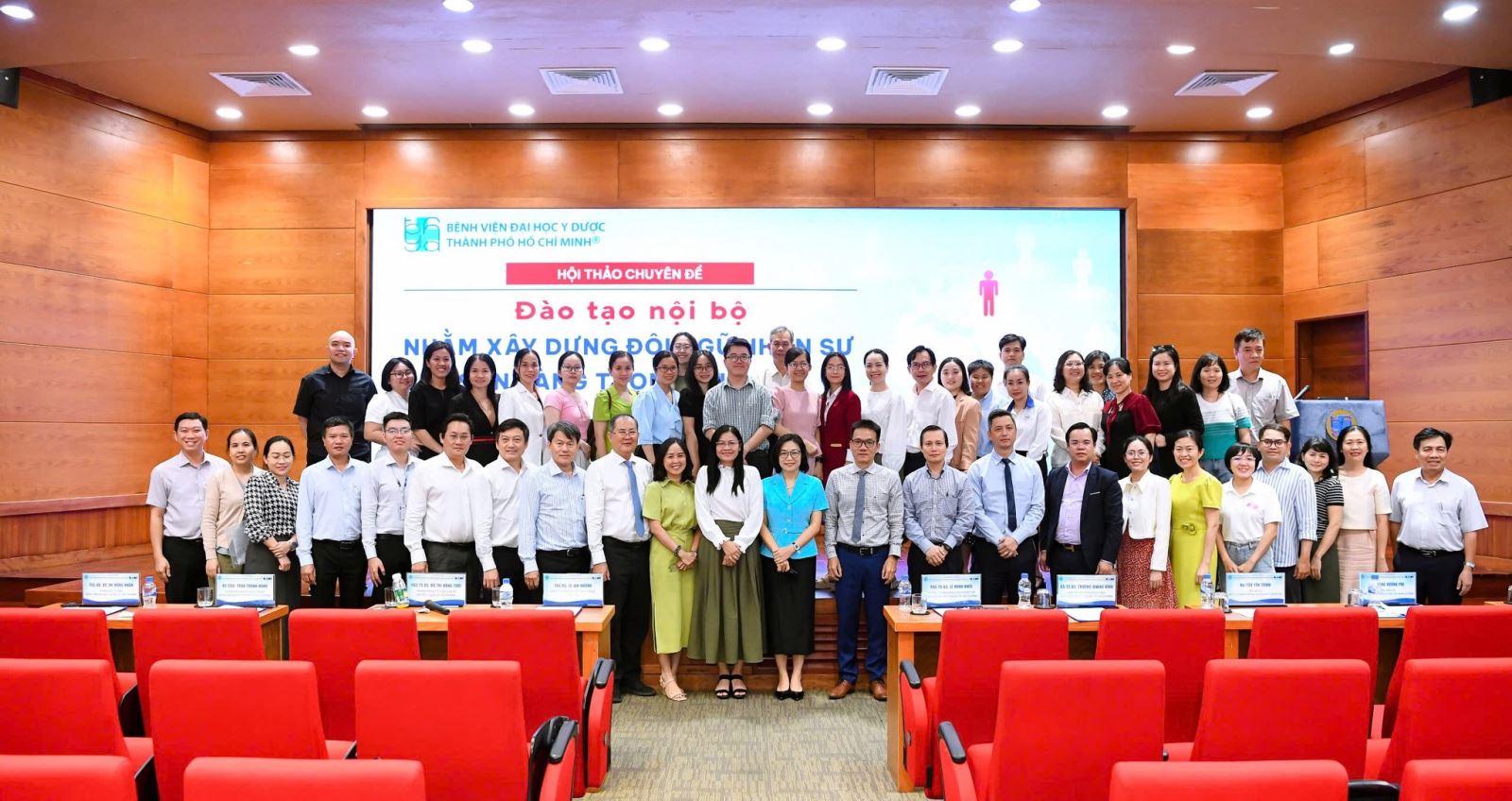
In the context of a world undergoing constant updates and shifts, the healthcare industry faces significant challenges regarding management models, technology, and human resource development. To strategically guide the development of a workforce capable of adapting to the "new world," University Medical Center Ho Chi Minh City (UMC) organized a seminar titled “Internal Training to Build a Ready Workforce in the New BANI World” on the morning of November 7, 2025. Held at Auditorium 3A, the event attracted over 500 managers, officers, and employees from major hospitals across the country.
Opening the seminar, Prof. Truong Quang Binh, MD, PhD – Chairman of the UMC Scientific Council, stated that people are always at the heart of all development. On the journey toward international standards, the hospital continuously invests in its people—not only in professional expertise but also in adaptability, innovative thinking, and a spirit of lifelong learning. “The world changes every day, and human adaptability will determine the survival and growth of an organization. Regardless of how technology advances, people remain the core factor of all medical progress,” shared Prof. Truong Quang Binh.
During the thematic presentations, speakers painted a comprehensive picture of the current world through two prominent concepts: VUCA (Volatility - Uncertainty - Complexity - Ambiguity) and BANI (Brittle - Anxious - Nonlinear - Incomprehensible). While VUCA describes a stage of a volatile, uncertain, complex, and ambiguous world where organizations need flexibility to adapt, BANI reflects the post-pandemic era, where individuals face anxiety, pressure, and unpredictable non-linear shifts. In this context, leadership thinking must shift from passive reaction to proactive adaptation, and from rigid management models to more flexible, creative, and humane approaches. Healthcare organizations cannot merely predict the future; they must equip themselves with rapid response capabilities, multidisciplinary collaboration, and emotional intelligence—key factors in ensuring comprehensive patient care.
From a human resource management perspective, the presenters shared the “Decoding the Future of Work” model, showcasing profound shifts in how organizations operate. This model emphasizes that healthcare institutions need to move from a mindset of control to empowerment, and from hierarchical management systems to flexible, connected structures. The new way of working aims to foster creativity, respect differences, and enhance the spirit of cooperation. Organizational culture is also considered a core element, where every member is inspired and provided with opportunities to learn and contribute value to the collective. Additionally, speakers highlighted the role of technology in shaping a “smart environment,” helping to optimize workspaces, enhance training efficiency, and encourage continuous online learning models—a trend UMC is strongly implementing in staff training.
Another highlight of the seminar was the 4B + 1T human resource development model (Build - Buy - Borrow - Bind + Transform). This is considered a comprehensive strategy for healthcare organizations in the new era, combining the development of collective strength, attracting high-quality human resources, professional collaboration and sharing, building a cohesive culture, and continuously innovating organizational capacity. This model helps UMC step-by-step build a medical team that is both highly specialized and quick to adapt, meeting the requirements of the healthcare industry during international integration.
The seminar concluded in an enthusiastic atmosphere, spreading a spirit of learning and a desire for innovation among all staff and employees. The Hospital once again affirmed that the sustainable development of an organization does not stem from technology or scale, but from people—those who are always ready to learn, adapt, and contribute. With a "People-Centered Development" orientation, UMC continues to show its leadership in training, research, and healthcare, while creating a humane, dynamic, and integrated working environment focused on the future.