
Clinical Pharmacy Conference 2025: Clinical Pharmacists in the Era of Personalized Medicine - Elevating Professional Roles
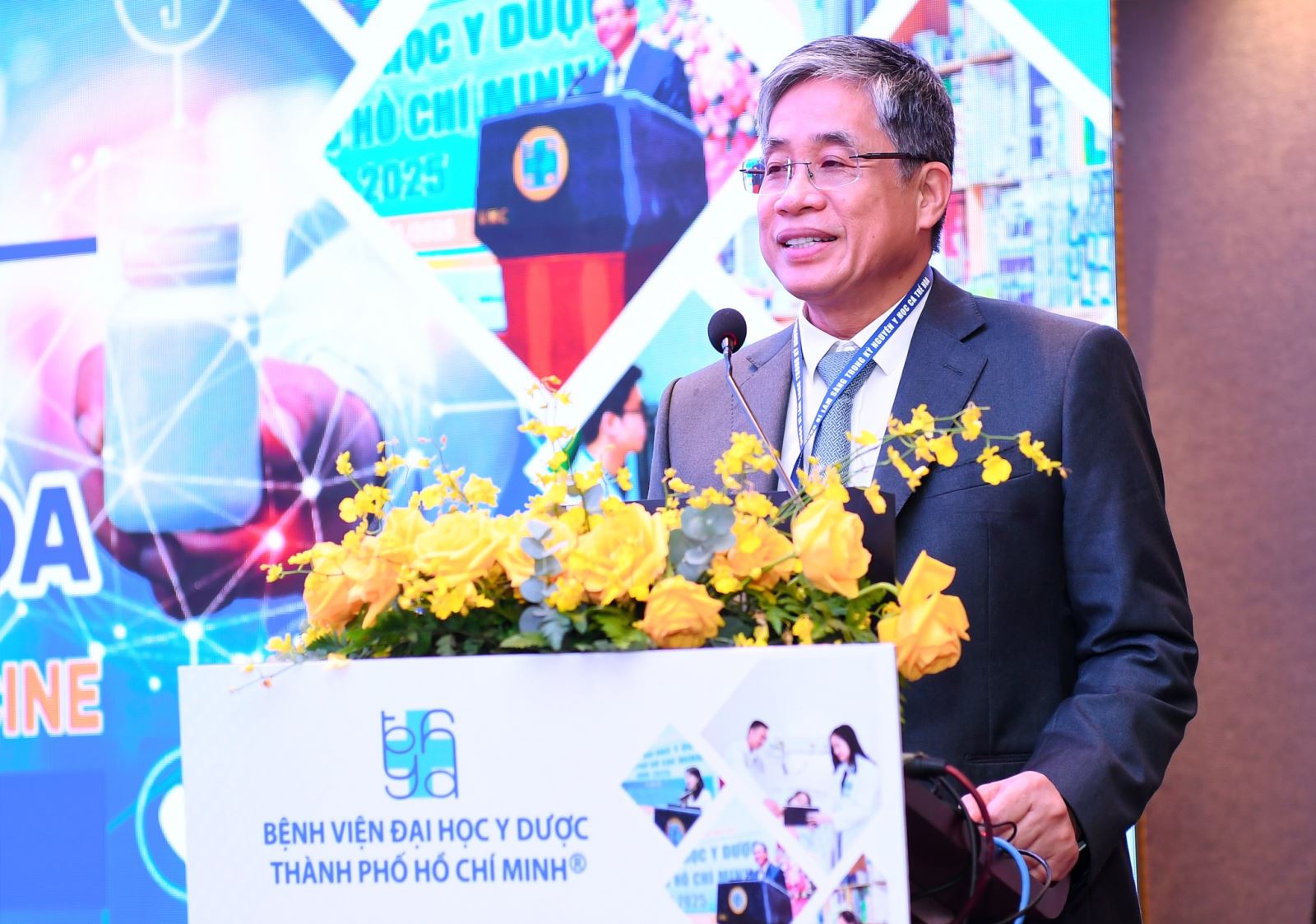
Opening remarks, Associate Professor Dr. Ngô Quốc Đạt – President of Ho Chi Minh City University of Medicine and Pharmacy shared: “Along with the strong development of the health sector, clinical pharmacy is increasingly affirming its role as one of the pillars of the comprehensive care system, linked to three core values: effectiveness - safety - rationality in drug use. Many important legal documents such as the 2016 Pharmacy Law together with decrees of the Ministry of Health have created a legal corridor, clearly showing the direction of standardization and elevating the role of clinical pharmacists. In the trend of personalized medicine, pharmacists are not only ‘drug dispensers’ but key members in the multidisciplinary treatment model, connecting pharmaceutical knowledge, clinical practice and patients. The Clinical Pharmacy Conference 2025 with the theme ‘Clinical pharmacists in the era of personalized medicine’ is an opportunity for pharmacists to update knowledge, enhance skills, strengthen connections and aim towards optimizing care and treatment for patients.”
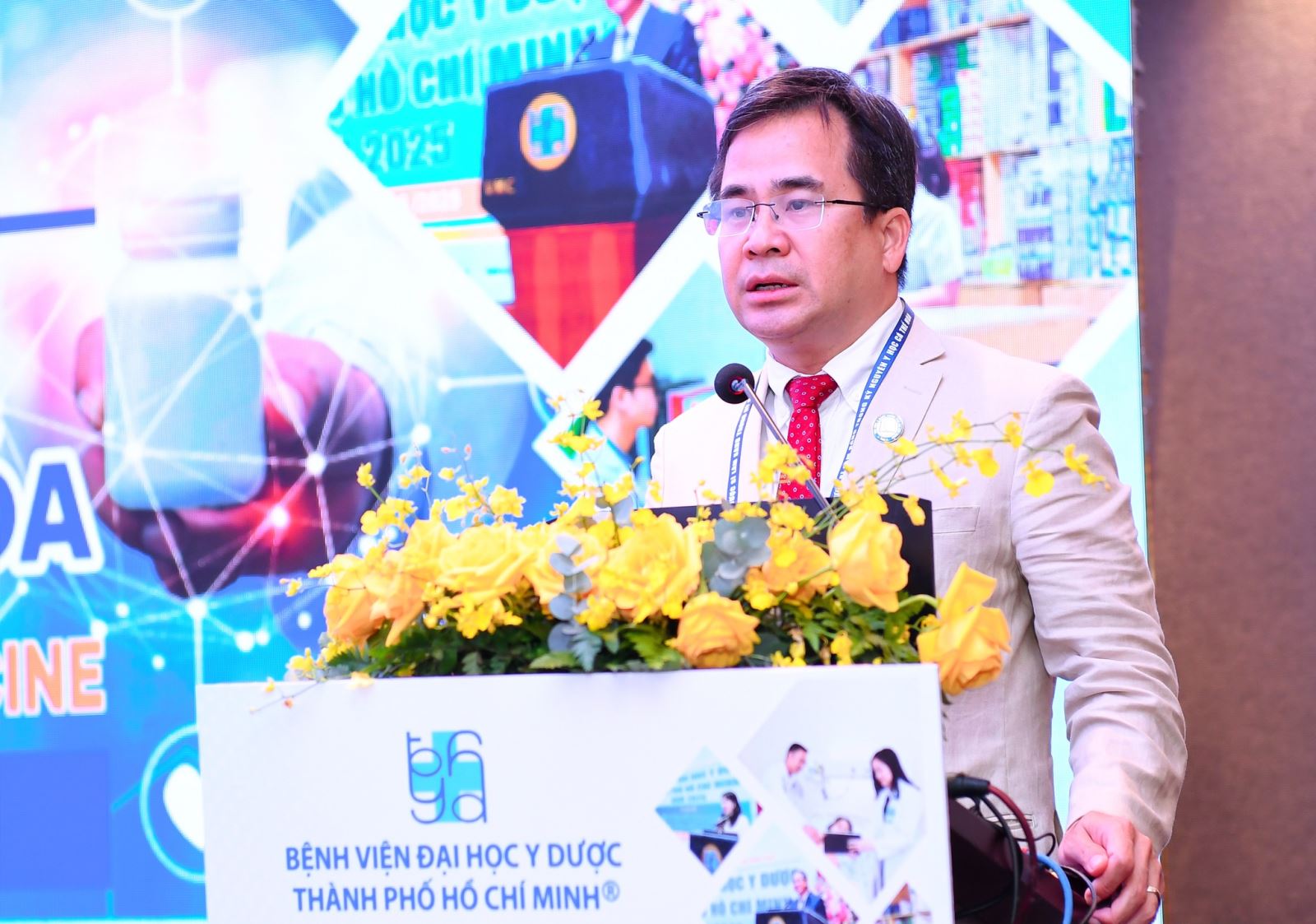
Furthermore, Associate Professor Dr. Nguyen Hoang Bac - Director of DHYD Hospital emphasized that clinical pharmacy plays a crucial role in building a culture of patient safety. From the early days, the collaborative model among doctors, pharmacists, and nurses has been formed and sustainably developed, present in all departments of the Hospital. DHYD Hospital is also the first unit in the country to implement a drug management module in electronic medical records, enhancing safety and treatment effectiveness. In the context of personalized medicine, he asserts that clinical pharmacists are a core force accompanying doctors in optimizing treatment, and wishes to continue receiving the support of experts and professional societies both domestically and internationally. The hospital commits to creating conditions to develop a modern, professional clinical pharmacy system, aiming for safe and effective patient care.
The reports at the conference focused on three prominent topics: pharmacogenomics, monitoring drug concentrations in blood (Therapeutic Drug Monitoring - TDM), and the trend toward personalized treatment. Among these, TDM is considered a particular highlight as it enables effective control and safety of drug groups with narrow therapeutic windows such as anti-rejection transplant drugs, antibiotics, antifungals, or antiepileptic drugs. By monitoring drug concentrations, physicians and pharmacists can adjust dosage promptly, limit side effects, reduce drug resistance, and significantly improve treatment outcomes.
Experts at the conference stated that in clinical practice, the same drug dosage can result in vastly different treatment efficacy and side effects among patients. The combination of TDM and pharmacogenomics allows the development of a “tailor-made” regimen for each individual, suited to their distinct biological characteristics. This is clear evidence of a shift in treatment approach, from merely focusing on symptom control to enhancing quality of life and optimizing long-term efficacy.
At ĐHYD Hospital, the Pharmacy Department quickly implemented TDM and achieved promising results. A typical case shared is a post-transplant patient who needs anti-rejection medication. By closely monitoring drug levels, the treatment team adjusted the dose appropriately, ensuring both anti-rejection efficacy and avoiding toxicity to the liver and kidneys. The patient maintains stable health, and quality of life has markedly improved. This result stems from close and effective collaboration between physicians and clinical pharmacists in practice.
The conference also highlighted significant challenges, from testing costs, limitations in specialized personnel, to the need for multidisciplinary coordination. However, these difficulties further underscore the necessity of building a network for sharing experience, training, and research collaboration. Moreover, in the future, with support from artificial intelligence, big data analysis, and next-generation genetic technologies, clinical pharmacists will have additional powerful tools to enhance their role in patient care.