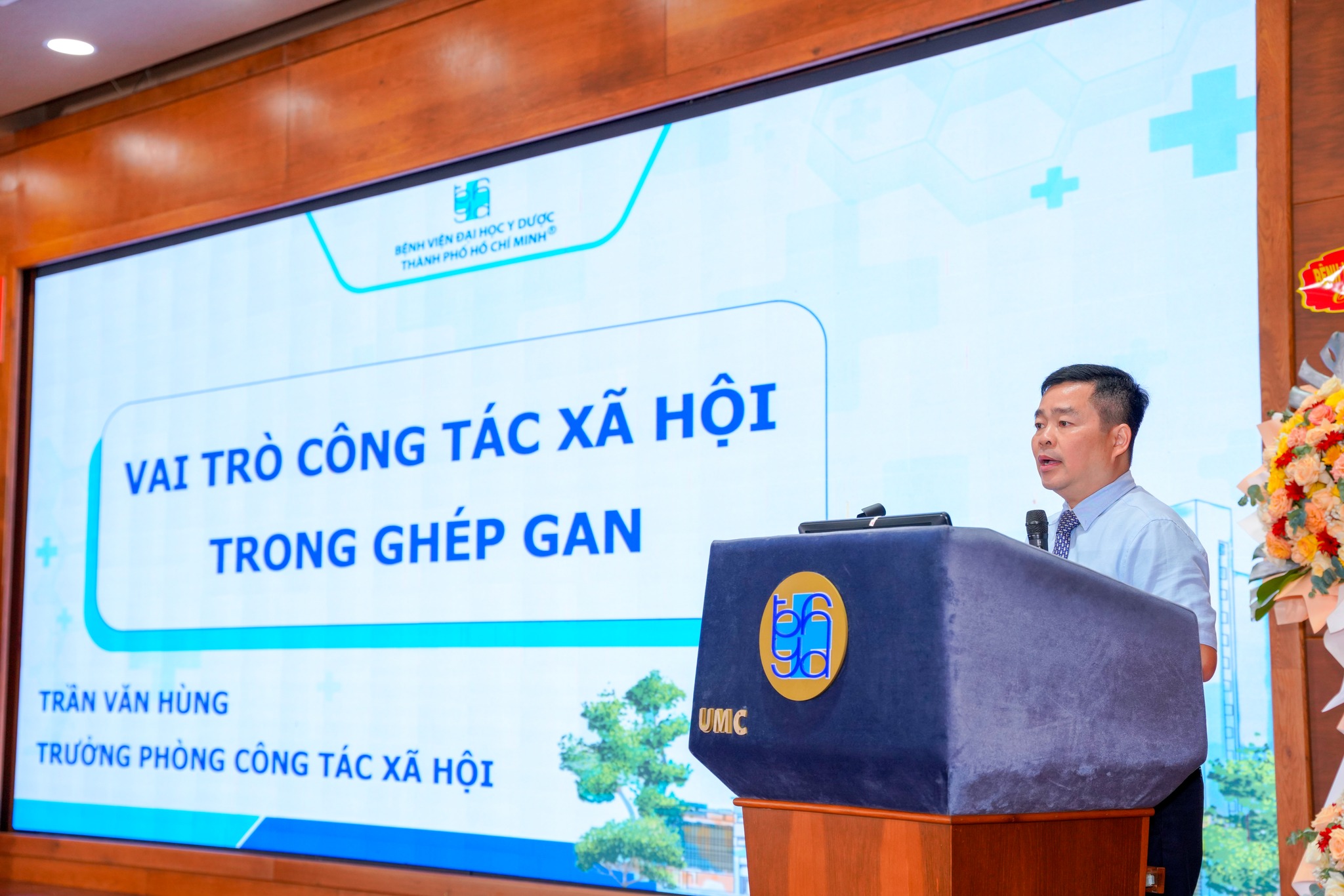
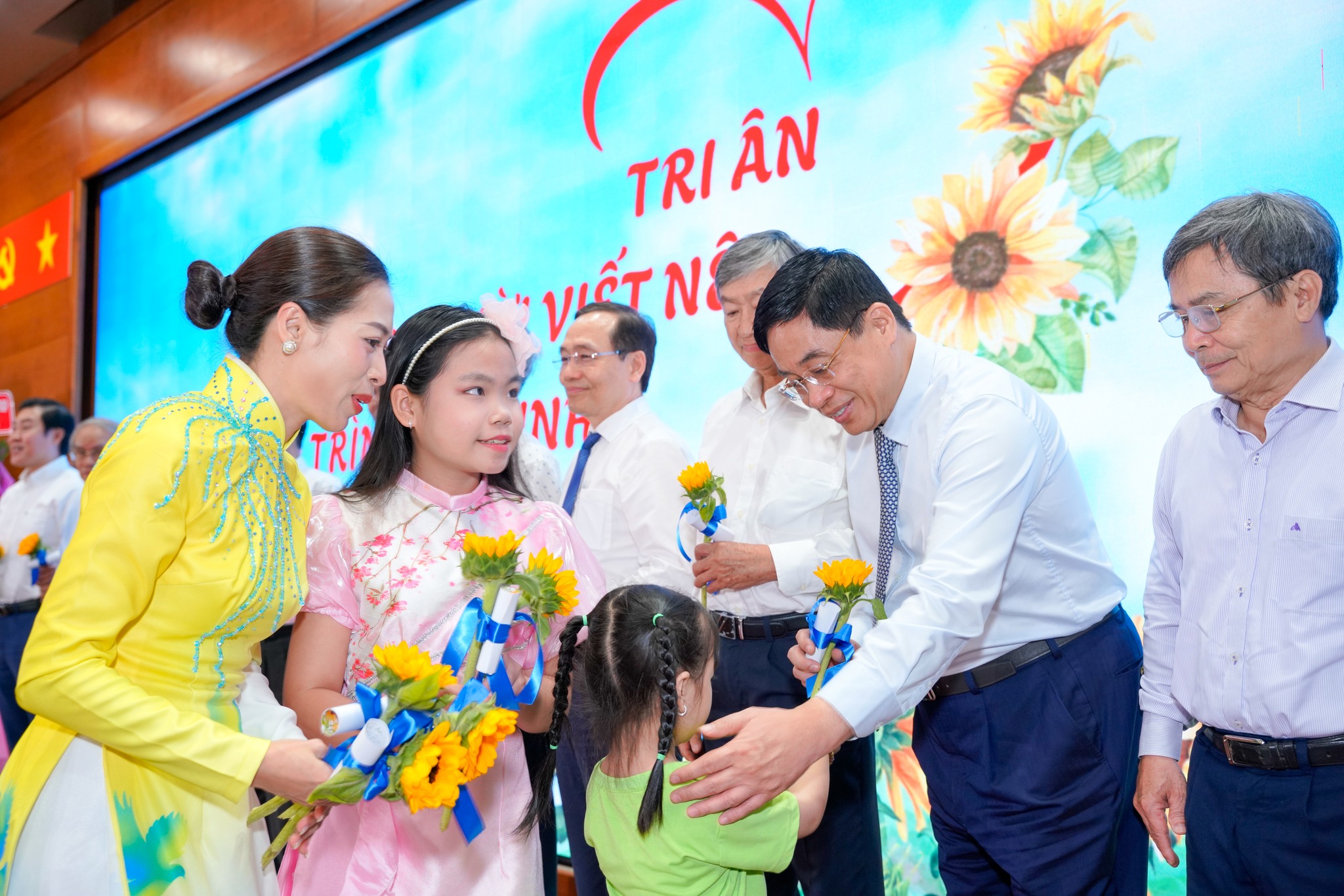
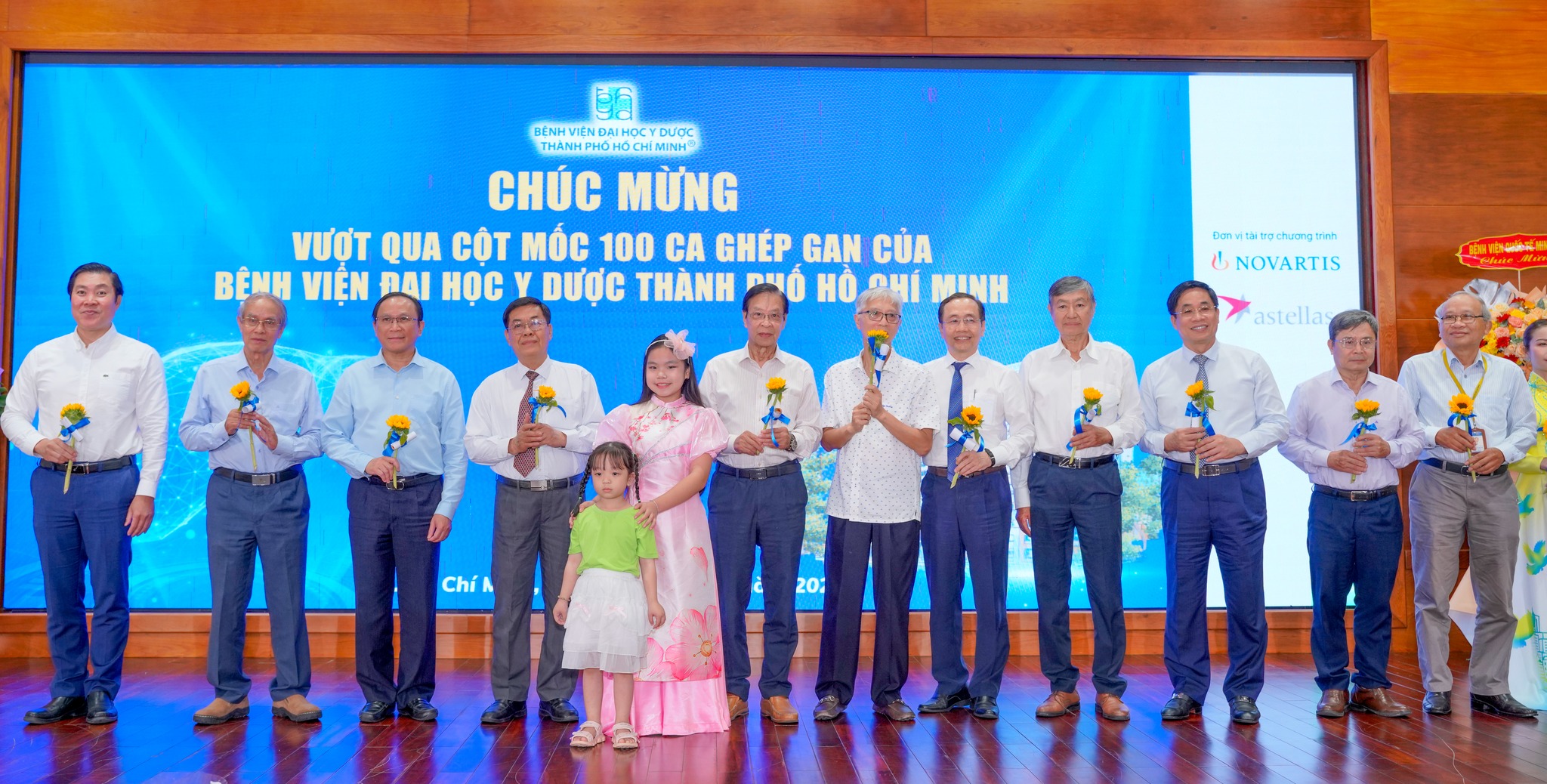
Looking back at the liver transplantation achievements at University Medical Center Ho Chi Minh City
On March 31, 2026, University Medical Center Ho Chi Minh City
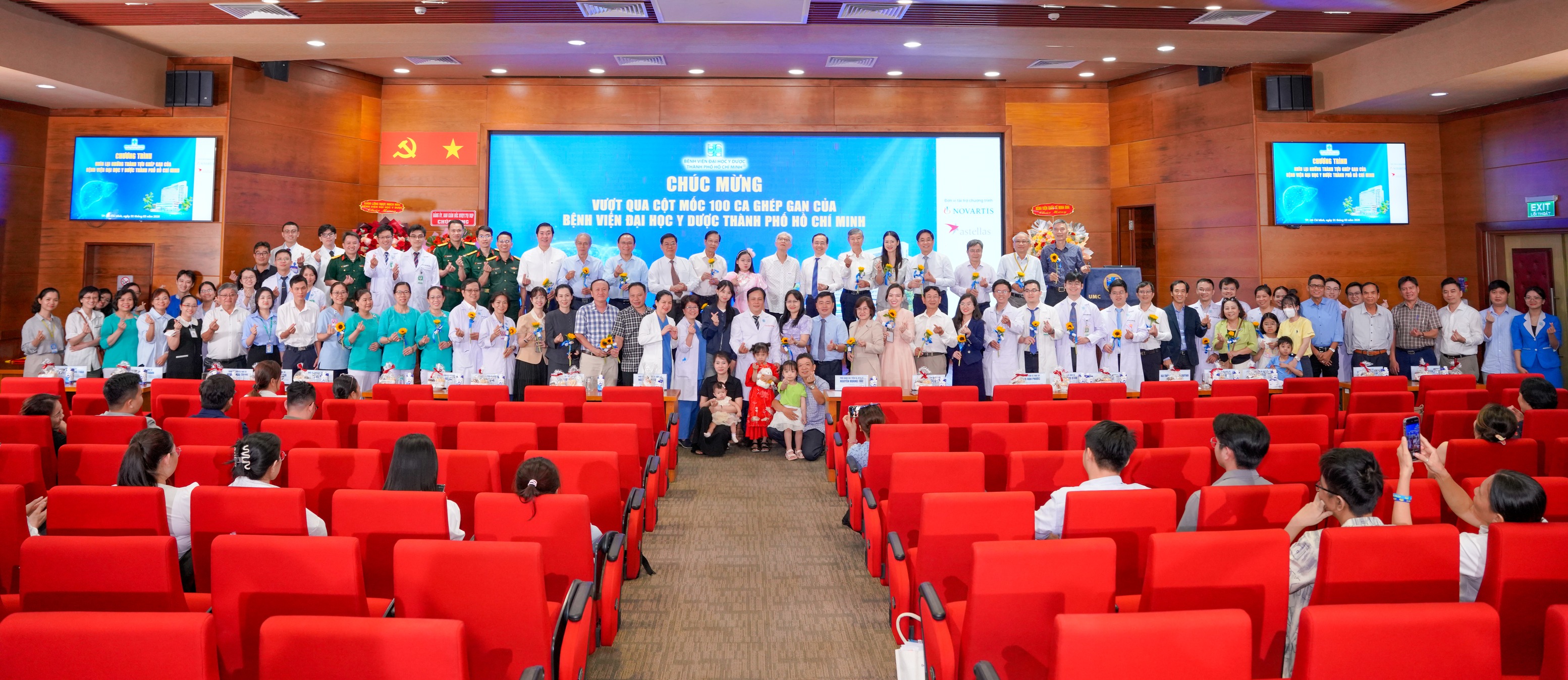
Attending the program were Assoc. Prof. Dr. Nguyễn Hoàng Bắc – Director of University Medical Center Ho Chi Minh City, President of the Inter-hospital Organ and Tissue Donation Advocacy Association of the Southern Region, and Chairman of the Hospital's Liver Transplantation Council; along with members of the expert board, former leaders of the hospital's facilities, departments, and divisions; leaders of the hospital's offices, centers, departments, and units; partner hospitals, accompanying units, patients, and their families.
Speaking at the program, Assoc. Prof. Dr. Nguyễn Hoàng Bắc emphasized that developing organ transplantation, including liver transplantation, is a long-term mission of the Hospital, built upon a foundation of multidisciplinary coordination, synchronized operation, and a patient-centered approach. The Hospital does not place excessive emphasis on the number of transplant cases, but rather focuses on the true value of treatment, with the goal of bringing living opportunities and a better quality of life to patients. In the coming period, the Hospital aims to continue developing the organ transplantation program according to international standards, while promoting scientific research, training, technical transfer, and the application of technology in post-transplant patient management and monitoring.
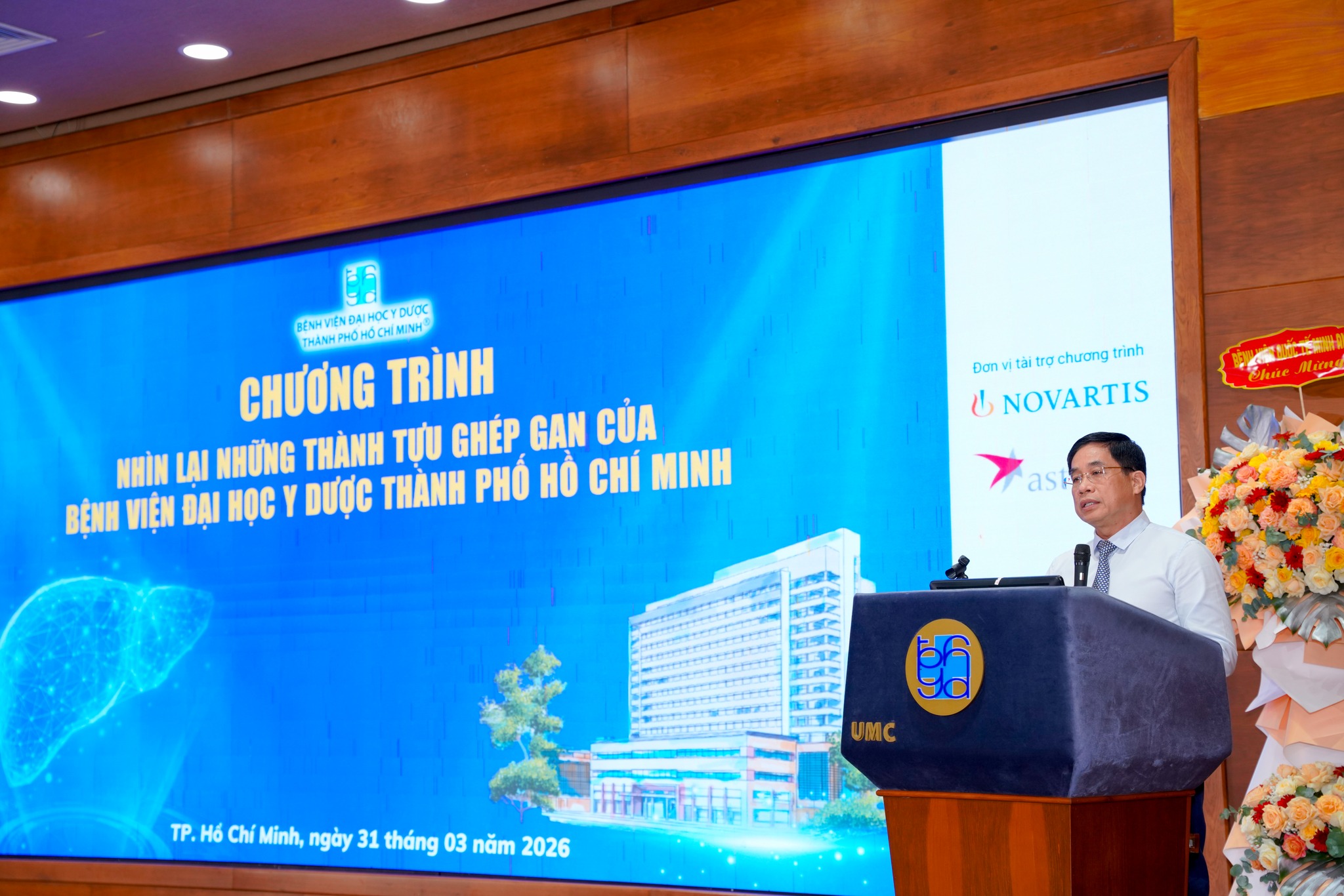
According to Dr. Trần Công Duy Long – Deputy Head of the Department of Hepato-Pancreato-Biliary Surgery, Head of the Hepatobiliary Oncology and Liver Transplantation Unit, liver transplantation techniques at the Hospital were formed through a multi-year preparation process, involving human resource training at international transplant centers. Since 2016, organ transplantation has been identified as a key development field; by 2018, the Hospital was recognized by the Ministry of Health as eligible to implement liver transplantation techniques. To date, the Hospital has successfully performed 113 liver transplant cases, including many complex cases under severe clinical conditions, especially in pediatric liver transplantation involving infants with very low body weight, severe malnutrition, muscle atrophy, acute liver failure, and rare diseases. The Hospital has also mastered various advanced liver transplantation techniques, such as split-liver transplantation for two recipients, dual-liver splitting for two adults, and minimally invasive laparoscopic living donor graft harvest, gradually expanding and enhancing treatment efficiency. These results demonstrate an increasingly comprehensive capability to master liver transplantation techniques, stepping closer to regional and international professional standards.
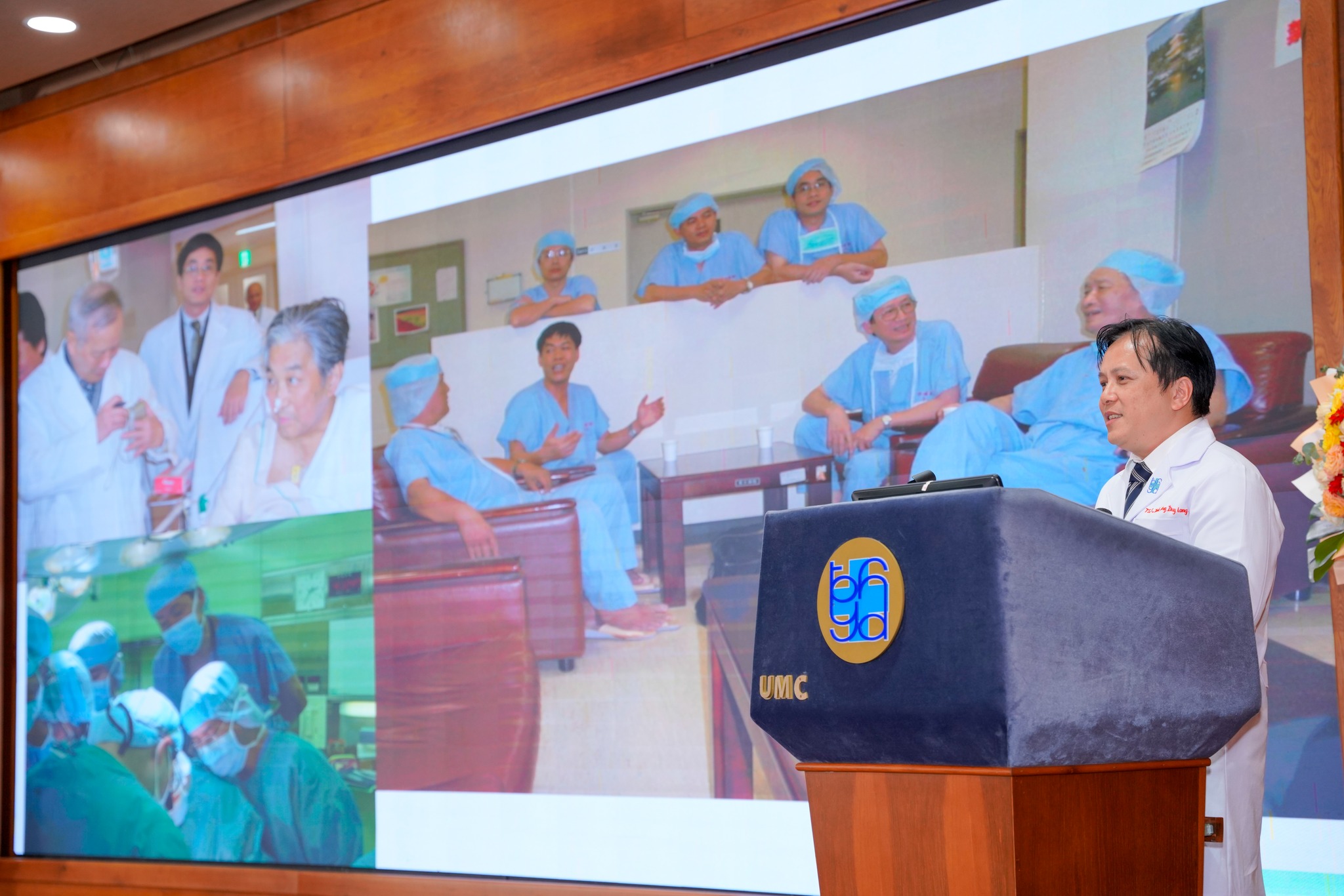
The program was also an occasion to express gratitude to generations of physicians, experts, and forces that have contributed to building and developing the journey of liver transplantation, while spreading the humanistic values of medicine, as each transplant is a journey of life being continued.
Looking back at its liver transplantation achievements, University Medical Center Ho Chi Minh City