

8 Common Exercise Myths in Obese Individuals That Need to Be Bunked
.png&w=3840&q=80)
For individuals with obesity, physical exercise is an indispensable component of the journey toward health improvement and weight management. However, numerous exercise misconceptions can not only hinder weight loss progress but also pose potential health risks. This article will help you identify and debunk 8 common myths, thereby establishing a safer and more effective exercise regimen.
1. Populations Susceptible to Exercise Misconceptions
1.1. Beginners Lacking Foundational Knowledge
Novices frequently lack an understanding of bodily physiology, fundamental exercise principles, and appropriate intensity adjustment, rendering them prone to common errors.
1.2. Individuals Seeking Rapid, Unsustainable Weight Loss Solutions
The psychological drive for rapid weight loss can induce individuals with obesity to adopt high-intensity, unrealistic exercise modalities or believe in unscientific rumors regarding instantaneous weight loss.
1.3. Individuals Easily Influenced by Information
In an era of information explosion, accessing unverified sources on social media or advice from non-medical personnel can lead to the misapplication of exercise regimens.
2. Common Exercise Myths in Individuals with Obesity
2.1. Myth 1: Individuals with Obesity Are Lazier than Normal-Weight Individuals
In reality, not all individuals with obesity are physically inactive. Data indicate that a subset of individuals with obesity maintains physical activity levels comparable to those of normal-weight individuals [2]. This misconception often stems from societal stigma rather than fully reflecting clinical reality.
2.2. Myth 2: Exercise Is the Sole Modality for Weight Loss
Although exercise offers substantial health benefits, it contributes only partially to weight reduction. A primary reason is that exercise frequently correlates with heightened appetite and diminished dietary restraint, offsetting expended calories [2]. For effective weight loss, dietary modification plays a far more decisive role [2].

2.3. Myth 3: Only Cardio Helps You Lose Weight
Many believe that cardiovascular (cardio) exercises like running or cycling represent the sole means to burn calories and shed weight. However, resistance activities such as weightlifting are equally vital. While cardio burns more calories in short durations, resistance training builds muscle mass, thereby elevating resting metabolic rate and burning calories even at rest [2].
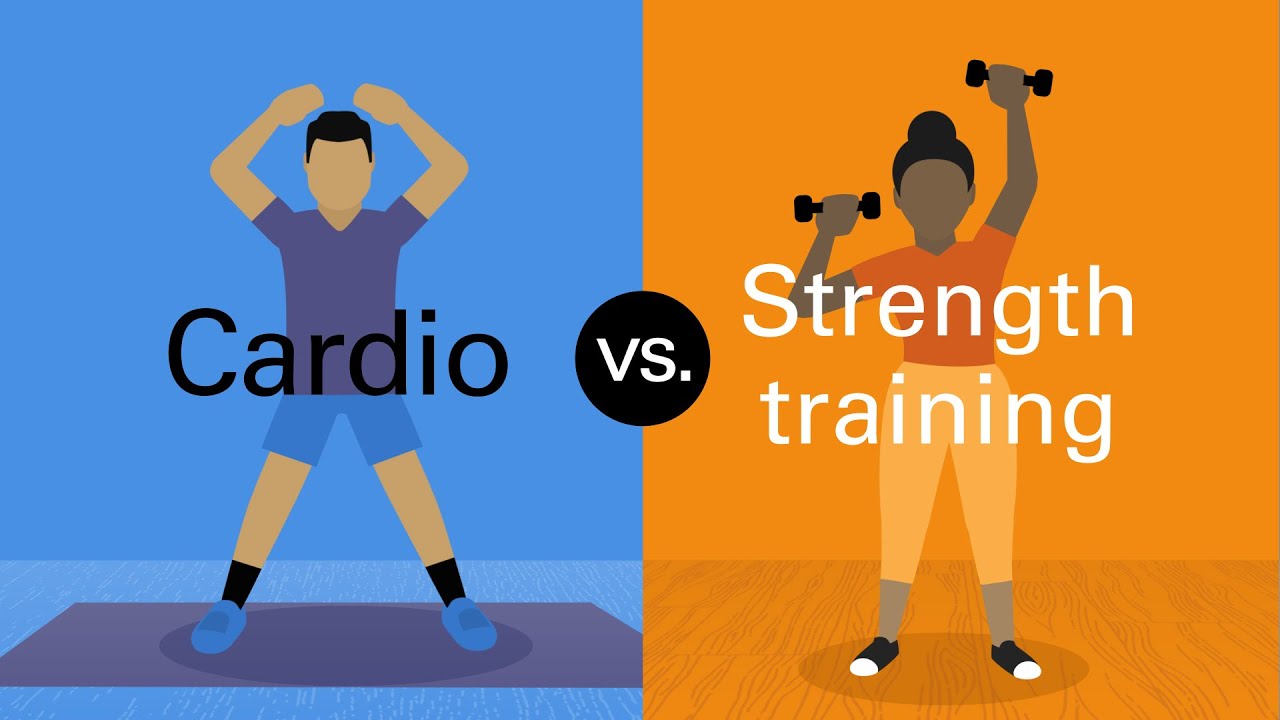
2.4. Myth 4: Weightlifting Makes Individuals with Obesity 'Bulky' and Fails to Aid Weight Loss
This is a prevalent myth, particularly among women. Weightlifting does not readily induce hypertrophy to a 'bulky' degree without specialized training regimens and targeted nutrition. Instead, resistance training builds lean muscle mass, enhances strength, and accelerates metabolism, supporting fat reduction and body recontouring [1].
2.5. Myth 5: Physical Activity Is Only Effective When Done for Extended Durations
Physical activity guidelines recommend at least 150 minutes of moderate-intensity activity per week [1]. However, continuous long-duration exercise is not mandatory. Short bouts of activity, such as a 10-minute brisk walk multiple times daily, provide substantial clinical benefits and contribute toward total weekly activity goals [1].
2.6. Myth 6: Exercise Equipment or Activity Trackers Are Necessary for Weight Loss
Owning these devices does not guarantee weight loss unless utilized effectively and sustained long-term. Wearable activity trackers may fail to deliver long-term benefits unless paired with standardized behavioral interventions [2].
2.7. Myth 7: Weight Loss Is Unhealthy Due to Weight Regain (The 'Yo-Yo' Effect)
While the 'yo-yo' effect (weight loss followed by weight regain) carries health risks, controlled, sustainable weight loss consistently delivers clinical benefits. Studies demonstrate that weight reduction improves metabolic parameters such as blood glucose, blood pressure, and lipid profiles [2]. Focusing on sustainable lifestyle modifications rather than restrictive crash diets remains the key to weight maintenance [2].
2.8. Myth 8: Overtraining Accelerates Weight Loss
Overtraining not only elevates injury risks but can also provoke exhaustion, diminish motivation, and precipitate exercise discontinuation. For individuals with obesity, initiating exercise at an appropriate intensity and progressively advancing over time is critical for physiological adaptation, injury prevention, and long-term habit retention [1].
3. Consequences of Exercise Misconceptions
3.1. Elevated Risk of Injuries and Health Complications
Improper or excessive training can precipitate muscle strain, ligament sprains, joint trauma, or cardiovascular events, which are particularly hazardous for individuals with obesity presenting with underlying comorbidities [1].
3.2. Reduced Exercise Efficacy, Inducing Frustration and Discontinuation
When misconceptions lead to the adoption of flawed methodologies, individuals may fail to achieve desired outcomes, resulting in lost motivation, frustration, and eventual drop-out [2].
3.3. Negative Impacts on Psychological and Overall Well-being
Disappointment from unmet goals, guilt, or self-consciousness driven by adherence to myths can adversely affect mental health, triggering stress, anxiety, and even depression [2].
4. Evidence-Based Recommendations for Individuals with Obesity
4.1. Consultation with Healthcare Professionals
Prior to initiating any exercise program, individuals with obesity should consult physicians and rehabilitation specialists for comprehensive health evaluations, individualized advice, and the formulation of safe, tailored workout plans [2].
5. Formulation of Individualized, Appropriate Exercise Plans
Exercise plans must be individually tailored, accounting for baseline health status, current fitness levels, and personal goals. Initiating at low intensity and advancing gradually represents a core principle for injury avoidance and sustainability [1].
5.1. Integration of Diverse Exercise Modalities
Combining cardiovascular and resistance training optimizes clinical outcomes. Cardio exercises promote caloric expenditure and cardiorespiratory health, whereas strength training builds muscle mass, enhances metabolic rates, and recontours the physique [1].
5.2. Emphasis on Comprehensive Nutrition and Lifestyle Modifications
Physical training must be paired with a balanced, healthy diet. Emphasizing whole foods, dietary fiber, lean protein, and restricting ultra-processed products, added sugars, and unhealthy fats is essential. Simultaneously, modifying lifestyle habits such as securing adequate sleep and managing stress substantially contributes to weight loss efficacy and overall health [2].
6. Frequently Asked Questions (FAQ)
- How should individuals with obesity safely begin an exercise regimen? Initiate with a medical consultation to assess overall health. Subsequently, begin with low-intensity activities such as walking, swimming, or gentle cycling, gradually increasing duration and intensity as physiological adaptation occurs.
- How can long-term exercise motivation be maintained? Setting realistic milestones, tracking progress, training with peers, joining group classes, or seeking expert support helps sustain motivation. Focus on health improvements and feeling better rather than fixating solely on scale weight.
- Is diet important in weight loss? In virtually all instances, dietary modification plays a primary role in weight reduction, particularly when combined with structured physical exercise.
- Do I need specific workout equipment? Not necessarily. You can commence training at home utilizing bodyweight exercises or outdoor activities like walking, jogging, and cycling. Equipment can be beneficial but is not a prerequisite for initiating your health journey.
- How can I ensure I am exercising correctly and effectively? Monitor parameters such as heart rate, exertion levels, and body feedback. Crucially, listen to your body and avoid persistent pain. Consulting a fitness professional or physical therapist for proper technique instruction and regimen adjustment remains optimal.
References:
- [1] NIDDK (2017). Some Myths about Nutrition & Physical Activity. https://www.niddk.nih.gov/health-information/weight-management/myths-nutrition-physical-activity. Accessed: 2025-12-11.
- [2] Harold Edward Bays, Angela Golden, Justin Tondt (2022). Thirty Obesity Myths, Misunderstandings, and/or Oversimplifications: An Obesity Medicine Association (OMA) Clinical Practice Statement (CPS) 2022. https://pmc.ncbi.nlm.nih.gov/articles/PMC10661978/. Accessed: 2025-12-11.
- [3] Jean-Philippe Chaput, Zachary M Ferraro, Denis Prud’homme, Arya M Sharma (2014). Widespread misconceptions about obesity. https://pmc.ncbi.nlm.nih.gov/articles/PMC4229150/. Accessed: 2025-12-11.
The information above is for reference purposes only and is not intended as medical advice. Please contact your doctor for detailed medical consultation.