

Dry eye care: From lifestyle changes to advanced treatment
A gritty, burning, or tired sensation in the eyes, or even blurred vision at the end of the day, may be a sign of dry eye, a common condition that is often overlooked. Dry eye not only causes discomfort but may also have various underlying causes, requiring a comprehensive approach to diagnosis and treatment. Early recognition of signs, understanding potential complications, and applying effective preventive measures are essential for maintaining long-term eye health and vision. This article provides useful advice to help keep your eyes well lubricated, from daily lifestyle changes to advanced treatment options at University Medical Center Ho Chi Minh City.
1. What you should know about dry eye
1.1. What is dry eye?
Dry eye, also known as Dry Eye Syndrome (DES) or Dry Eye Disease (DED), is a multifactorial disorder of the ocular surface. It is characterized by disruption of tear film homeostasis, leading to ocular discomfort, visual disturbances, and potential damage to the ocular surface. Dry eye disease is commonly associated with tear film instability, increased tear osmolarity, inflammation, and ocular surface damage, along with abnormalities in sensory nerve function [1, 3].
1.2. Components of the tear film
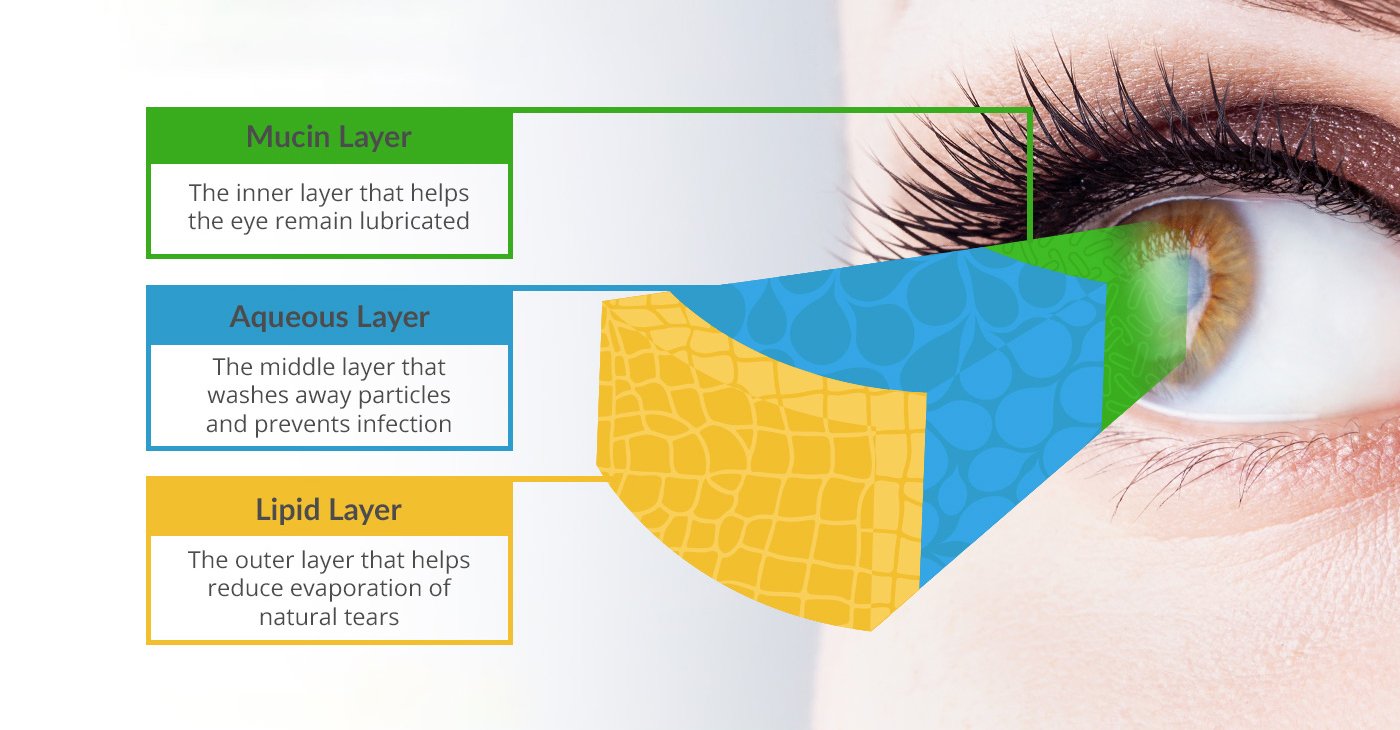
The tear film is a thin layer covering the ocular surface. It plays an essential role in protecting the eye from the environment, lubricating the eye, maintaining a smooth surface for light refraction, and protecting the health of the avascular conjunctiva and cornea [2]. The tear film consists of three main layers that work together to keep the eyes lubricated and healthy:
- Lipid (oil) layer: The outermost layer, produced by the Meibomian glands in the eyelids. It slows tear evaporation and helps maintain tear film stability [1, 2].
- Aqueous layer: The middle and thickest layer, produced by the main lacrimal gland and accessory lacrimal glands. It contains water, electrolytes, proteins, peptides, and other metabolites, helping cleanse the eye and provide nutrients [1, 2].
- Mucin layer: The innermost layer, produced by goblet cells in the conjunctiva. It helps spread tears evenly across the ocular surface and allows the aqueous layer to adhere to the eye's surface [1, 2].
1.3. Causes of dry eye
Dry eye can result from many factors and is generally classified into two main, non-mutually exclusive categories: reduced tear production and increased tear evaporation [1, 3].
Reduced tear production
- This occurs when the lacrimal glands do not produce enough tears to keep the eyes adequately moist. Causes include:
- Age: The natural aging process can reduce lacrimal gland function [1, 3].
- Systemic diseases: Certain autoimmune diseases, such as Sjögren syndrome (dry eyes and dry mouth), systemic lupus erythematosus, rheumatoid arthritis, and thyroid disease, can affect the lacrimal glands and cause dry eye [1, 3].
- Lacrimal gland damage: Inflammation or structural damage to the lacrimal glands can reduce their ability to produce tears.
Increased tear evaporation
- This occurs when tears evaporate too quickly from the ocular surface, even when the lacrimal glands produce an adequate amount of tears. Factors that promote tear evaporation include:
- Meibomian gland dysfunction (MGD): This is the most common cause of evaporative dry eye. When the Meibomian glands are blocked or dysfunctional, the protective lipid layer of the tear film becomes insufficient, causing tears to evaporate more quickly [1, 3].
- Reduced blink frequency: When concentrating on a computer, smartphone, or reading, we tend to blink less frequently, preventing tears from being evenly distributed and causing them to evaporate more quickly [1].
- Eyelid abnormalities: Incomplete eyelid closure, such as nocturnal lagophthalmos, or other eyelid disorders can increase the area of the ocular surface exposed to air.
- Environment: Exposure to wind, air conditioning, fans, dry air, low humidity, cigarette smoke, air pollution, and chemicals can increase the rate of tear evaporation [1, 3].
1.4. Risk factors and associated conditions
Many factors can increase the risk of dry eye or worsen the condition:
- Systemic medications: Certain medications, such as antihistamines, antidepressants, diuretics, beta-blockers, oral contraceptives, and acne medications (isotretinoin), can cause dry eye as a side effect [1, 3].
- Eye drops: Certain eye drops, particularly those containing preservatives, can cause irritation and worsen dry eye [1].
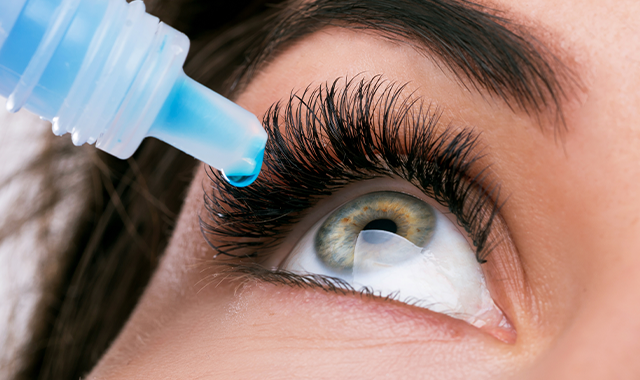
- Contact lens use: Wearing contact lenses for prolonged periods can reduce tear volume and cause dry eye [1].
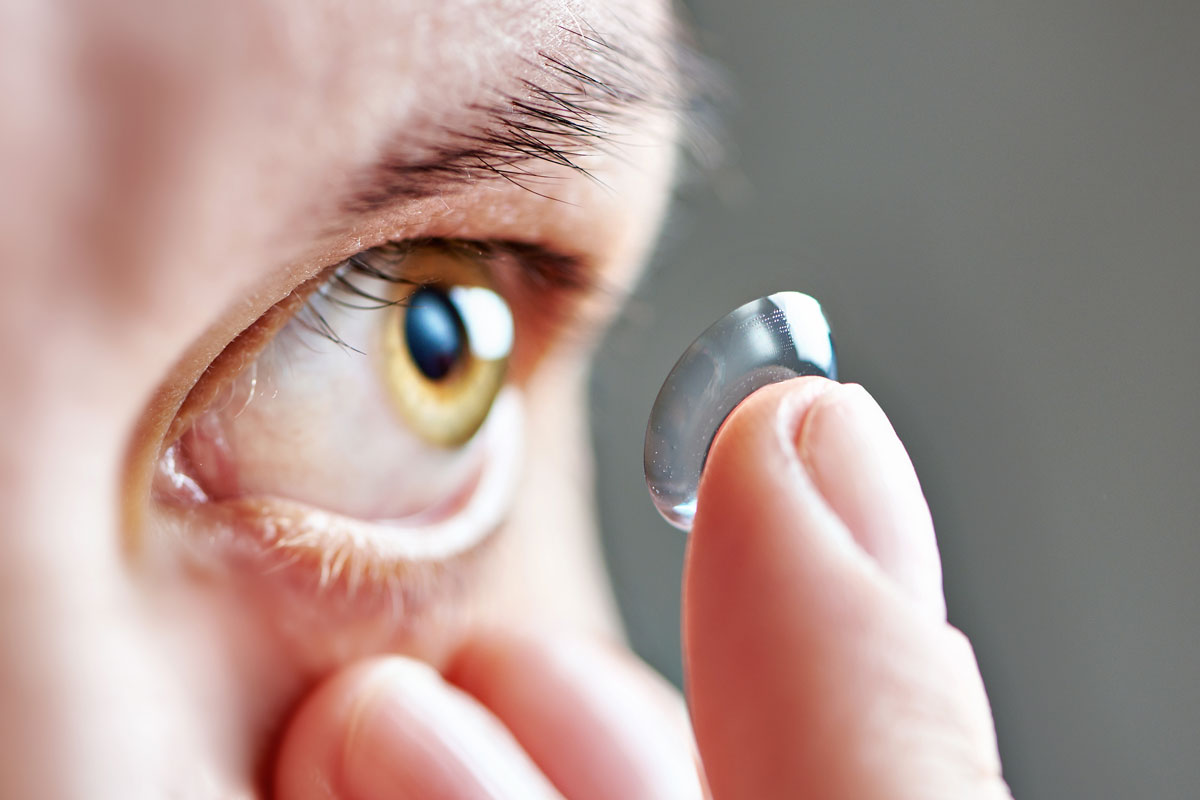
- Eye surgery: Refractive surgery (LASIK) and cataract surgery may cause temporary or permanent dry eye by affecting corneal nerves [1].

- Eye allergies: Allergic reactions can cause inflammation of the ocular surface, contributing to dry eye [1].
- Hormonal changes: Women during menopause, or people experiencing other hormonal changes, may be more susceptible to dry eye [1].
- Diet: Deficiencies in vitamin A or omega-3 fatty acids may affect tear film health [1].
- Lifestyle habits: Smoking, alcohol consumption, inadequate sleep, and an unhealthy diet are also risk factors [1].
1.5. Signs and symptoms
Dry eye symptoms can range from mild to severe and do not always correlate with the extent of actual damage to the ocular surface [1, 3].
Typical symptoms of dry eye
- Ocular discomfort: A gritty, burning, stinging, aching, or foreign-body sensation in the eyes [1].
- Eye redness: The eyes may become red due to irritation and inflammation [1].
- Temporary blurred vision: Particularly after reading, working on a computer, or at the end of the day. Vision may fluctuate [1].
- Light sensitivity (photophobia): Discomfort when exposed to bright light [1].
- Watery eyes: This may seem paradoxical but is very common. When the eyes become excessively dry, the body responds by producing increased amounts of reflex tears. However, these tears often do not contain sufficient components to nourish the ocular surface and do not remain on the eye for long [1].
- Difficulty wearing contact lenses: Discomfort when wearing contact lenses.
- Eye fatigue, heavy eyelids, or difficulty opening the eyes.
- Eye itching.
1.6. When should you see a doctor?
You should see an ophthalmologist if:
- Dry eye symptoms persist, are severe, and do not improve with self-care measures at home.
- Dry eye affects your vision.
- You experience severe eye pain, significant eye redness, or any signs of an eye infection.
- You notice any sudden or unusual changes in your eyes.
Diagnosis of dry eye
Diagnosis of dry eye generally involves evaluating the patient's symptoms and performing specialized tests to determine the underlying cause and severity of the condition [1, 3].
Clinical examination and symptom assessment
- Detailed medical history: The doctor will ask about your symptoms, when they began, factors that worsen or relieve them, your medical history, medications you are taking, and your work or living environment [3].
- Questionnaires: Standardized questionnaires such as the Ocular Surface Disease Index (OSDI) or Dry Eye Questionnaire (DEQ-5) help quantify the patient's level of discomfort and monitor treatment effectiveness [1, 3].
- Slit-lamp examination: The doctor will examine the eyelids, conjunctiva, cornea, and Meibomian glands.
Specialized tests
- Tear Film Break-Up Time (TBUT): Measures how long tears remain on the ocular surface before breaking up or evaporating. A TBUT of less than 10 seconds is generally considered abnormal and suggestive of dry eye [1, 3].
- Schirmer test: Measures the amount of tears produced over a specific period by placing a special strip of filter paper inside the lower eyelid. A result of less than 5–10 mm in 5 minutes generally indicates reduced tear production [1, 3].
- Ocular surface staining: Fluorescein or lissamine green dyes are used to detect damage to the cornea and conjunctiva caused by dry eye [1, 3].
- Tear osmolarity measurement: Increased tear osmolarity is a characteristic sign of dry eye [1, 3].
- Meibomian gland assessment (meibography): Specialized equipment is used to assess the structure and function of the Meibomian glands and detect Meibomian gland dysfunction [1, 3].
1.7. Treatment of dry eye
The goals of dry eye treatment are to reduce signs and symptoms, restore ocular surface homeostasis, and improve quality of life [1]. Treatment is generally approached in a stepwise manner depending on disease severity [1].
Lifestyle and environmental changes
These are important initial measures that patients can implement themselves:
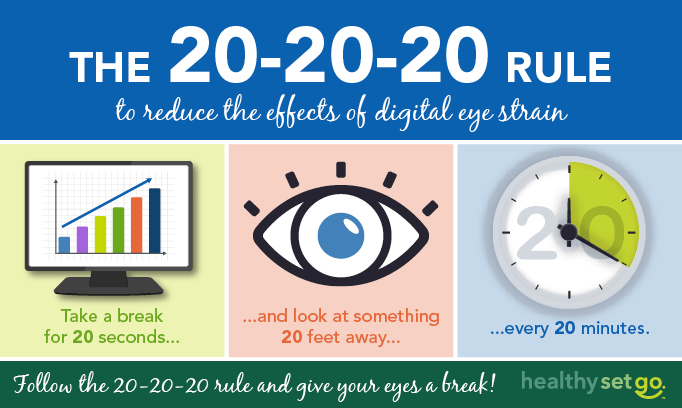
- Reduce screen time: Limit continuous use of computers, smartphones, and televisions. Follow the 20-20-20 rule: every 20 minutes, look at an object 20 feet (approximately 6 meters) away for 20 seconds [1].
- Blink more frequently: Complete and frequent blinking helps distribute tears evenly across the ocular surface [1].
- Use a humidifier: Particularly in dry environments or air-conditioned rooms [1].
- Avoid drying factors: Avoid direct airflow from fans, air conditioners, and heaters, as well as cigarette smoke and polluted environments [1].
- Wear protective eyewear: When outdoors in windy or dusty environments [1].
Eye drops and initial therapies
- Artificial tears: These are the mainstay of dry eye treatment at all levels of severity. Preservative-free formulations are preferred to avoid irritation [1, 3].
- Warm compresses and eyelid hygiene: Warm compresses help soften blocked oils in the Meibomian glands. This should be followed by gentle eyelid cleansing with a specialized solution or warm water [1, 3].
- Essential fatty acid supplementation: Omega-3 fatty acids, found in salmon, chia seeds, and flaxseed oil, may help improve the quality of the tear film's lipid layer and reduce inflammation [1, 3].
Advanced treatment
When initial measures are ineffective, the doctor may prescribe more advanced treatment options:
- Anti-inflammatory eye drops:
- Topical corticosteroids: Used for short-term treatment to reduce acute inflammation of the ocular surface [1, 3].
- Topical cyclosporine or lifitegrast: These immunomodulatory medications help reduce chronic inflammation, increase tear production, and improve goblet cell density [1, 3].
- Punctal plugs: A small plug is placed in the tear drainage duct at the inner corner of the eye to prevent tears from draining too quickly and keep them on the ocular surface for longer [1, 3].
- Intense Pulsed Light (IPL) therapy: Particularly effective for dry eye associated with Meibomian gland dysfunction [1].
- Oral antibiotics: Low-dose doxycycline or azithromycin may be used to treat Meibomian gland dysfunction because of their anti-inflammatory effects [1, 3].
- Autologous serum eye drops: Eye drops prepared from the patient's own blood, containing growth factors and nutrients that help restore the ocular surface, particularly in severe cases of dry eye [3].
- Therapeutic contact lenses (scleral lenses): These specialized lenses create a reservoir of tears between the lens and the ocular surface, helping maintain moisture and protect the cornea [3].
1.8. Complications of dry eye
If not diagnosed and treated promptly, dry eye can lead to various complications, ranging from mild discomfort to serious problems affecting vision [1, 3].
Short- and long-term complications
- Persistent discomfort: Symptoms such as grittiness, burning, eye redness, and blurred vision can significantly affect daily quality of life, work performance, and recreational activities [1].
- Ocular surface damage: Prolonged dry eye can damage the corneal and conjunctival epithelium, causing corneal erosions and ulcers [1, 3].
- Eye infections: A damaged cornea is more susceptible to bacterial and viral infections, potentially leading to infectious keratitis, a serious condition that may cause permanent vision loss [1, 3].
- Corneal scarring: Severe corneal ulcers may leave scars that permanently reduce vision [1, 3].
- Psychological complications: Chronic dry eye may be associated with conditions such as depression, anxiety disorders, and sleep disorders [1].
1.9. Prevention of dry eye
Preventing dry eye focuses on maintaining good eye-care habits and adjusting the living and working environment to minimize risk factors.
Effective preventive measures
- Keep the eyes lubricated: Use preservative-free artificial tears regularly, especially when working in dry or windy environments or using electronic devices [1].
- Follow the 20-20-20 rule: When working on a computer, every 20 minutes, look at something 20 feet (approximately 6 meters) away for 20 seconds to allow your eyes to rest and blink more frequently [1].
- Adjust the environment:
- Use a humidifier at home or in the office, particularly during dry seasons or when using air conditioning or heating [1].
- Avoid directing fans or air conditioners directly at your face [1].
- Wear sunglasses when outdoors in windy or sunny conditions to protect your eyes from wind and UV radiation [1].
- Limit exposure to cigarette smoke and polluted environments [1].
- Maintain a healthy diet: Include foods rich in omega-3 fatty acids (salmon, mackerel, flaxseed, chia seeds) and vitamin A (carrots, sweet potatoes, dark leafy greens) [1].
- Stay adequately hydrated: This helps keep the body and eyes adequately hydrated.
- Maintain eyelid hygiene: Keep the eyelids clean, particularly if you have a history of blepharitis or Meibomian gland dysfunction [1].
- Have regular eye examinations: This is particularly important if you have risk factors for or symptoms of dry eye, allowing for early diagnosis and treatment.
2. Frequently asked questions (FAQ)
- Can dry eye go away on its own? Dry eye is generally a chronic condition and rarely resolves completely on its own. However, symptoms can be effectively managed with home care measures and appropriate medical treatment [1].
- Does wearing contact lenses make dry eye worse? Yes. Wearing contact lenses can worsen dry eye or cause dry eye in some people by reducing tear volume and interfering with the even distribution of the tear film [1].
- How does diet affect dry eye? Diet plays an important role. Increasing intake of omega-3 fatty acids and vitamin A may improve tear film quality and reduce inflammation, helping relieve dry eye symptoms [1, 3].
- Can dry eye cause permanent vision loss? In most cases, dry eye does not cause permanent vision loss. However, severe untreated dry eye can lead to corneal damage, ulcers, and scarring, which may permanently affect vision [1, 3].
- Can I treat dry eye myself at home? You can manage mild dry eye symptoms at home with artificial tears, warm compresses, eyelid hygiene, and lifestyle adjustments. However, if symptoms persist or are severe, you should see an ophthalmologist for diagnosis and advanced treatment [1].
3. References
- [1] Golden, M. I., Meyer, J. J., Zeppieri, M., & Patel, B. C. (2024). Dry Eye Syndrome - StatPearls. NCBI Bookshelf. Truy cập: 2025-12-19.
- [2] Chang, A. Y., & Purt, B. (2023). Biochemistry, Tear Film - StatPearls. NCBI Bookshelf. Truy cập: 2025-12-19.
- [3] Messmer, E. M. (2015). The Pathophysiology, Diagnosis, and Treatment of Dry Eye Disease. Dtsch Arztebl Int, 112(5), 71–82. Truy cập: 2025-12-19.
The information above is for reference purposes only and is not intended as medical advice. Please contact your doctor for detailed medical consultation.