

Lyme Disease: The Culprit Behind Cutaneous Infection

1. Overview of Lyme Disease
Lyme disease is a systemic bacterial infection caused by spirochetes belonging to the genus Borrelia. Incidence peaks during spring and early summer. The infection is transmitted from animal reservoirs to humans through the bite of infected ticks. The disease is not transmitted person-to-person, nor is it acquired through food or water consumption.
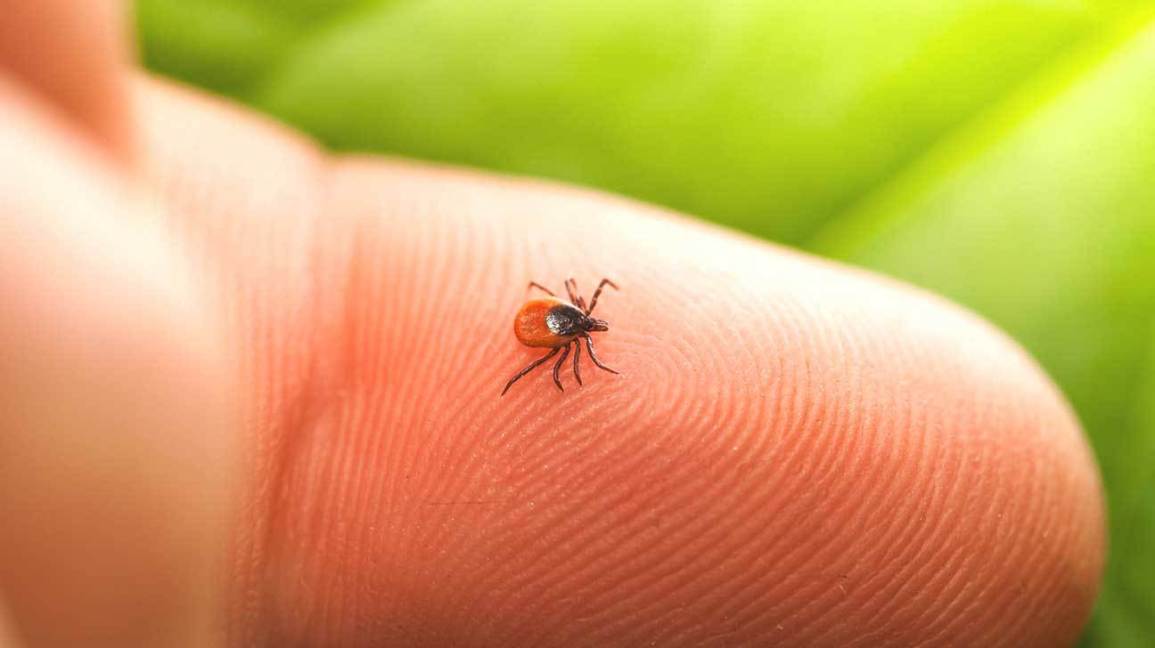
If left untreated, severe manifestations may develop, including unilateral or bilateral facial palsy (facial droop), arthralgia, severe headaches accompanied by neck stiffness (nuchal rigidity), or palpitations. Months to years later, recurrent episodes of joint pain and swelling may occur. Patients occasionally report shooting pains or paresthesias in the upper and lower extremities. Despite appropriate treatment, approximately 10% to 20% of patients experience persistent arthralgia, cognitive dysfunction (memory issues), and fatigue lasting for at least six months.
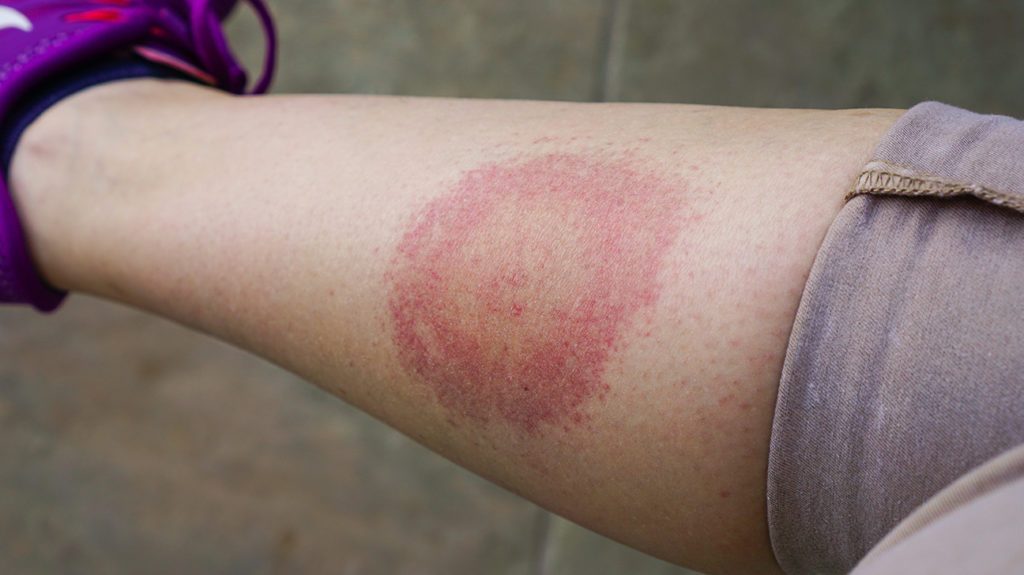
The pathognomonic clinical sign is an expanding erythematous skin lesion that is typically non-pruritic and painless, termed erythema migrans (EM), which originates at the tick bite site approximately one week post-exposure. Other early systemic symptoms include low-grade fever, headache, and malaise.
Clinical manifestations of Lyme disease are categorized into three distinct stages: localized, early disseminated, and late disseminated.
Early Localized Stage: Manifests as an expanding erythematous macule/plaque at the tick bite site, developing between 3 days to 1 month post-bite. The rash classically presents with a concentric 'bulls-eye' pattern—an central erythematous punctum surrounded by central clearing and an outer red ring—or as a homogeneous confluent red patch, commonly located on the abdomen, lower back, or warm, intertriginous skin folds.
Early Disseminated Stage: Occurs several days to months following the tick bite. Prominent clinical features during this phase involve cardiovascular and neurological complications. Approximately 80% of untreated patients may suffer from cardiovascular involvement, including tachycardia, atrioventricular conduction blocks, and Lyme carditis if systemic antibiotic therapy is withheld.
Late Disseminated Stage: Develops months to years after the initial vector exposure. Approximately 10% of patients in this late stage present with chronic monoarticular or pauciarticular arthritis, most commonly affecting the knee joint. Additionally, persistent headaches, profound fatigue, and prolonged arthralgia may persist for months following treatment.
Diagnosis is based on a synthesis of clinical presentation and exposure history in endemic areas. Dermatologists utilize a two-tiered serological testing protocol consisting of Enzyme-Linked Immunosorbent Assay (ELISA) followed by a confirmatory Western Blot. In early infections (under 6 weeks), seroconversion may be incomplete, leading to false-negative results. Conversely, both assays may yield false-positive or equivocal results. In rare instances, synovial fluid analysis or cerebrospinal fluid (CSF) evaluation is required to confirm the diagnosis of Lyme disease.
2. Therapeutic Management and Prophylaxis
Standard first-line oral antibiotic regimens include doxycycline, amoxicillin, or cefuroxime axetil administered for a duration of 2 to 4 weeks. Pediatric patients are typically prescribed amoxicillin, cefuroxime axetil, or age-adjusted doxycycline. Early pharmacological intervention is vital to prevent late-stage carditis, neuroborreliosis, and chronic arthritis. When early or late disseminated disease manifests, high-dose intravenous antibiotic therapy (e.g., ceftriaxone) may be indicated.
Post-treatment sequelae (Post-Treatment Lyme Disease Syndrome) may present with persistent headaches, fatigue, and musculoskeletal aches lasting for months after antibiotic completion. Neurological impairment may require prolonged management. If symptoms fail to respond to appropriate antimicrobial therapy, alternative differential diagnoses should be thoroughly investigated.
Prophylaxis against Lyme disease includes environmental tick control, wearing protective long-sleeved clothing with trousers tucked into socks, utilizing high-top boots during outdoor activities, and applying insect repellents containing DEET or Permethrin to prevent tick attachments.
The information above is for reference purposes only and is not intended as medical advice. Please contact your doctor for detailed medical consultation.