

Surgical correction of pectus carinatum: More than just aesthetics, it’s about health
.png&w=3840&q=80)
1. What is pectus carinatum?
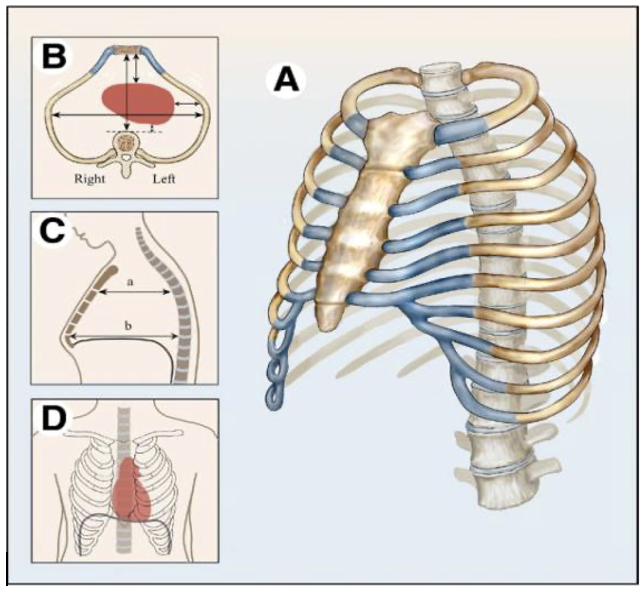
Pectus carinatum is a chest wall deformity in which the sternum and costal cartilages grow excessively and protrude forward, creating a “keel chest” or “pigeon chest” appearance. This deformity often develops during childhood and becomes more pronounced during the prepubertal and pubertal periods.
Pectus carinatum is commonly classified into keel chest, pigeon chest, and lateral pectus carinatum (asymmetric chest).
Pectus carinatum accounts for approximately 5–10% of chest wall deformities and is more common in boys and adolescents.
2. Signs of pectus carinatum
Pectus carinatum is usually easily recognized through external observation, with the following features:
- The sternum protrudes noticeably forward
- The chest has an abnormally protruding shape, which may be symmetrical or more prominent on one side
- The deformity becomes more pronounced as the child grows rapidly
- In some cases, it may be accompanied by:
- Easy fatigue during physical activity
- A feeling of chest tightness or mild shortness of breath
- Reduced exercise tolerance
- Low self-esteem and avoidance of social interaction
- Children may tend to alter their posture, often hunching their backs to conceal the chest deformity
3. Does pectus carinatum affect health?
Although many people consider pectus carinatum to be merely a cosmetic issue, this deformity can actually affect health, particularly in moderate to severe cases:
- Restriction of chest expansion, reducing respiratory efficiency
- Reduced exercise capacity and easy fatigue during physical activity
- In some cases, it may affect the position and function of the heart
- Long-term psychological effects, particularly in adolescents
Therefore, the evaluation and treatment of pectus carinatum should take a comprehensive approach rather than focusing solely on cosmetic concerns.
4. When is corrective intervention for pectus carinatum needed?
Surgical or corrective intervention may be considered when:
- The pectus carinatum is moderate or severe
- The deformity progresses rapidly during puberty
- The child or patient experiences shortness of breath or reduced exercise capacity
- The condition has a significant impact on psychological well-being, self-confidence, and quality of life
Patients will be examined by a specialist and may undergo necessary tests such as X-rays, chest CT scans, and pulmonary function tests to assess the severity of the deformity and determine the appropriate treatment approach.
5. Current treatment options for pectus carinatum
Depending on the patient's age and the severity of the deformity, the physician may recommend:
- Chest wall bracing: Applied to children who are still growing and have mild to moderate deformities.
- Surgical correction of pectus carinatum may be indicated in cases of:
- Severe deformity
- Failure to respond to conservative treatment
- Patients who have passed the growth phase
Surgery helps restore the sternum to its physiological position, improve the shape of the chest wall, respiratory function, and the patient's self-confidence.
6. Benefits of surgical correction of pectus carinatum
Surgical correction of pectus carinatum offers several benefits:
- Improves the symmetry and shape of the chest wall
- Enhances respiratory efficiency and exercise capacity
- Reduces chest tightness and fatigue
- Improves psychological well-being, self-confidence, and quality of life
Timely intervention can help achieve optimal outcomes and minimize long-term complications.
7. Message for patients and families
Pectus carinatum is not merely a cosmetic issue; it can affect both physical and psychological health. Early evaluation, regular follow-up, and selection of an appropriate treatment approach can help patients achieve a more balanced chest shape, better respiratory function, and greater confidence in daily life.
The information above is for reference purposes only and is not intended as medical advice. Please contact your doctor for detailed medical consultation.