

What is Comedonal Acne on the Cheeks? Causes, Manifestations, and a Detailed Prevention Guide

1. Key Points
Definition of Comedonal Acne: Helps you clearly understand the core nature of comedonal acne, its formation mechanism, and why the skin becomes rough despite the absence of inflammation.
- Etiology: Helps you identify daily hygiene, dietary, and lifestyle habits that may trigger comedonal acne.
- Clinical Recognition Signs: Helps you accurately recognize manifestations of comedonal acne on the cheeks to avoid misdiagnosing it with other acne subtypes.
- Common Age Demographics: Helps you understand that comedonal acne does not only appear during puberty but also across various age groups due to distinct predisposing factors.
- Initial Management Approach: Provides safe, effective at-home management strategies for comedonal acne and indicates when to consult a dermatologist.
- Warning Regarding Acne Extraction: Explains why manually popping or squeezing acne lesions is strictly discouraged and suggests safer, more effective alternatives.
- Spontaneous Resolution Potential: Helps you understand that one should not passively wait for acne to clear on its own, but rather actively adopt proper skincare to accelerate treatment progress.
- Recurrence Risk: Emphasizes that comedonal acne can recur and highlights the importance of maintaining consistent skincare routines and a scientific lifestyle for prevention.
- Clinical Diagnosis: Guides you on how to self-assess your acne condition and determine the appropriate timing to seek professional medical evaluation for an accurate diagnosis.
- Treatment Modalities: Summarizes effective treatment methods for comedonal acne, ranging from skincare products and topical medications to advanced technology-based therapies.
- FAQ: Frequently asked questions regarding comedonal acne on the cheeks and related concerns.
2. What is Comedonal Acne on the Cheeks?
Comedonal acne on the cheeks is a type of acne where lesions reside deep within hair follicles, without rising to the skin surface, causing no inflammatory swelling or pain, but rendering the skin rough and uneven. This type of acne is difficult to observe with the naked eye; however, it can be easily felt by gently gliding fingers across the skin surface. The mechanism of formation involves the accumulation of sebum, dead skin cells, and debris, leading to follicular occlusion. Consequently, individuals with naturally oily skin face a higher risk of developing comedonal acne compared to those with dry skin.

3. Causes of Comedonal Acne on Both Cheeks
Common predisposing factors triggering comedonal acne on both cheeks include:
- Unhealthy Dietary Habits: Frequent consumption of highly processed foods, sugary items, and high-fat products, coupled with an inadequate intake of water, dietary fiber from green vegetables, and fresh fruits, can increase the risk of acne formation.
- Irregular Lifestyle Habits: Staying up late and experiencing prolonged psychological stress stimulate sebaceous glands to operate vigorously, leading to excess oil production, follicular occlusion, and comedonal acne formation.
- Inadequate Facial Cleansing: When skin is not thoroughly cleansed, impurities, sebum, and cosmetic residues accumulate, providing an optimal environment for bacterial proliferation and acne development. Therefore, diligent makeup removal and facial cleansing help eliminate dead skin cells and impurities, preventing pore occlusion.
- Hormonal Fluctuations: This is a primary etiologic factor. Hormonal imbalance stimulates sebaceous glands to produce more oil, leading to follicular obstruction. This condition frequently occurs during transitional life stages such as puberty, menstruation, pregnancy, or due to erratic lifestyle habits.
- Cosmetic Irritation: Utilizing skincare products unsuited to one's skin type, containing irritating ingredients or unverified origins, can compromise the skin barrier. Furthermore, cosmetic overuse can also clog pores and promote acne formation.
- Naturally Oily Skin Characteristics: Individuals with naturally oily skin possess hyperactive sebaceous glands, readily leading to oil surplus and pore occlusion. Without proper care, the risk of acne formation is further heightened.
- Habit of Touching the Face: Hands contact numerous surfaces and harbor countless bacteria. The habit of touching the face inadvertently allows bacteria to invade the skin, escalating inflammation risk and inducing acne.
- Side-Sleeping Posture: During side sleeping, facial skin directly contacts the pillowcase surface. If pillowcases are not laundered frequently, accumulated bacteria and debris can penetrate pores and trigger acne.
- Infrequent Mask Replacement: The humid internal microenvironment inside masks generated by breathing and perspiration creates an ideal breeding ground for bacteria. Prolonged use of a single mask allows bacteria to attack the skin, worsening acne severity. Additionally, mechanical friction from masks can induce irritation, particularly in sensitive skin.
- Failure to Cleanse Helmet Straps: Similar to masks, helmet straps make direct contact with the skin and easily accumulate sweat and environmental debris, potentially causing comedonal acne on the cheek region if not cleaned regularly.
- Infrequent Pillowcase Replacement: Pillowcases accumulate shed skin cells, perspiration, and sebum from skin and hair. This environment fosters bacterial and fungal proliferation, directly triggering acne during sleep.

4. What are the Clinical Signs of Comedonal Acne on the Cheeks?
Comedonal acne on the cheeks is a prevalent dermatological condition directly impairing skin smoothness. Unlike conventional inflammatory acne, comedonal acne is not easily identified by the naked eye and requires careful observation to detect. Characteristic diagnostic signs include:
- Rough Skin Surface: Because comedonal lesions reside deep beneath the skin without a visible head, comedonal acne renders skin texture uneven and non-smooth to the touch.
- Absence of Inflammatory Signs: Comedonal acne does not provoke typical inflammatory symptoms such as erythema, swelling, or tenderness observed in other acne forms.
- Difficulty in Visual Observation: Lesions typically do not stand out upon direct inspection, but can be readily sensed via tactile perception when gliding fingers across the skin, revealing tiny sub-surface bumps.
- Clustered Distribution: Comedonal acne tends to aggregate in dense clusters, making skin appear discolored and coarse. Lesions also possess the potential to spread to adjacent areas.
- Absence of Protruding Comones: A core identification feature is that comedonal acne lacks an externalized comedone head emerging onto the skin surface, unlike blackheads or pustules.
- Predilection for Oily Skin Backgrounds: This presentation is more frequent in individuals with oily skin due to overactive sebaceous glands easily provoking pore occlusion.
- Skin-Toned Appearance: Comedonal lesions typically match natural skin color. In certain instances, they may exhibit slight faint erythema.
If you observe these signs emerging on your cheeks, you likely experience comedonal acne and require an appropriate skincare regimen for clinical improvement.
5. Age Demographics Frequently Affected by Tiny Comedonal Acne on the Cheeks
Comedonal acne on the cheeks can manifest across various age groups, but predominantly concentrates during the following life stages:
- Puberty (Ages 12-18): This represents a phase characterized by robust hormonal fluctuations, leading to accelerated sebum hypersecretion and establishing favorable conditions for comedonal acne development.
- Ages 20-30: During this stage, factors such as lifestyle modifications, occupational pressures, psychological stress, and unsuitable cosmetic utilization represent prevalent contributors prompting comedonal acne emergence.
- Adulthood (Ages 30-40): Certain individuals may continue confronting comedonal acne driven by hormonal shifts, typically exemplified by women experiencing perimenopause.
Although comedonal acne can manifest at any age, the highlighted periods mark intervals carrying peak flare-up risks. Adopting a scientific skincare routine and maintaining a healthy lifestyle represent foundational elements preventing and minimizing comedonal acne formation.

6. What Should Be Done for Comedonal Acne on the Cheeks?
For mild comedonal acne on the cheeks, patients may implement the following home management interventions:
- Strictly Avoid Manual Comedone Extraction: This action carries risks of driving sebum, dead cells, and bacteria deeper into hair follicles, provoking inflammatory responses. Furthermore, squeezing acne can disseminate bacteria from unhygienic hands or tools, exacerbating inflammation, prolonging recovery duration, and elevating scar formation risks.
- Utilize Pore-Unclogging Active Ingredients: Ingredients such as Retinoids (adapalene, tretinoin, tazarotene, retinol), BHA, AHA, etc., exert keratolytic effects at follicular ostia, thereby halting cellular and debris accumulation while limiting new comedone formation.
- Apply Acne Patches: Certain acne patches incorporate salicylic acid, an active agent supporting acne management. However, strict adherence to manufacturer usage instructions is required to avert skin irritation risks.
- Avoid Unsuitable Ingredients for Acne-Prone Skin: Restrict utilization of cosmetic formulations containing ingredients prone to pore occlusion or skin irritation, such as mineral oil, silicones, petrolatum bases, alcohols, or plant oils possessing excessively high oleic acid ratios.
- Construct a Scientific and Balanced Lifestyle: Establish a regulated daily routine, secure adequate sleep, manage psychological stress, and maintain a wholesome diet (limiting greasy foods, sweets, and stimulants like caffeine and tobacco). These elements contribute significantly to skin recovery.

In instances where comedonal acne manifests with dense density or exhibits frequent recurrence tendencies, patients should seek consultation from a Dermatologist-Aesthetic Physician. The physician will conduct physical examination, establish diagnosis, and formulate an intensive treatment protocol tailored to your specific skin condition.
7. Should You Manually Extract Comedonal Acne on the Cheeks?
The definitive answer is no. Manually extracting comedonal acne on the cheeks is neither an effective solution nor free from severe secondary consequences. When applying physical pressure to pop acne, you risk forcing bacteria and inflammatory triggers deeper into hair follicles, worsening infection severity.
Moreover, this action can disrupt skin architecture, leading to persistent scarring (atrophic scars, post-inflammatory hyperpigmentation) that impairs aesthetics and prolongs recovery timelines. Improper extraction even amplifies irritation, facilitating acne dissemination to neighboring skin zones.
Rather than manually squeezing acne, focus on establishing a scientific skincare routine. Begin with thorough daily facial cleansing utilizing a suitable cleanser, coupled with moderate chemical exfoliation (incorporating AHA or BHA) to shed senescent stratum corneum layers and maintain follicular patency. Integrating targeted products containing active agents like retinoids, niacinamide, or salicylic acid will help manage comedonal acne effectively without skin trauma.
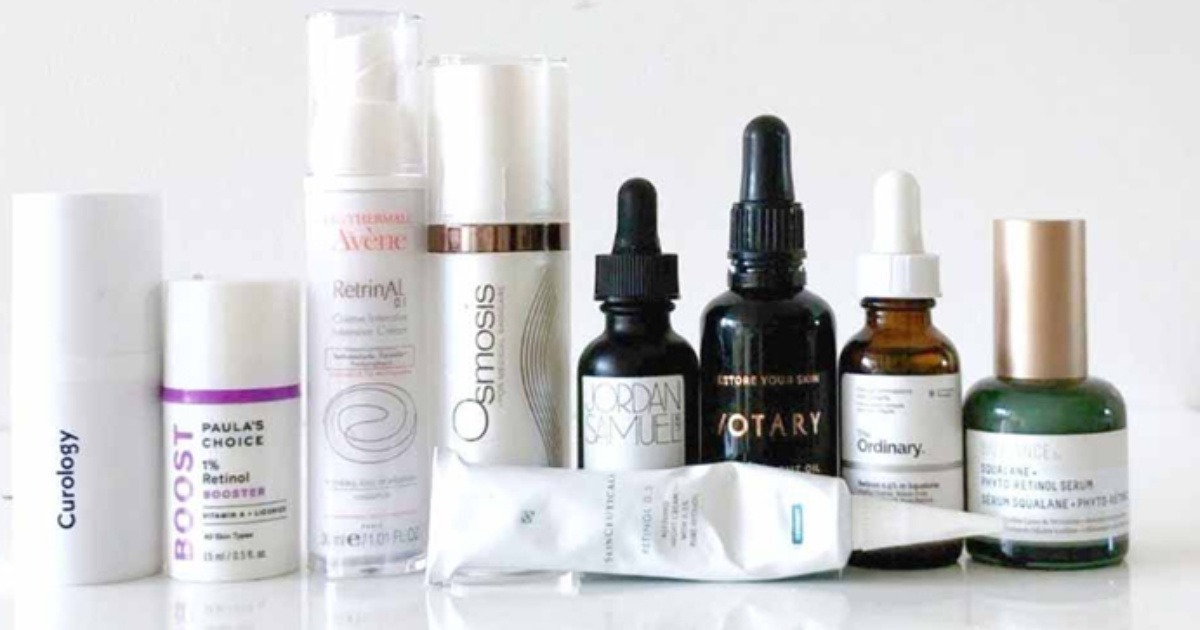
Concurrently, adjusting toward a healthy lifestyle via a balanced diet, adequate hydration, sufficient sleep, and stress regulation also plays a crucial supportive role in improving acne conditions. For severe or prolonged comedonal acne, consult a dermatologist for professional guidance and an appropriate treatment protocol.
8. Does Comedonal Acne on the Cheeks Resolve Spontaneously?
Theoretically, comedonal acne on the cheeks possesses potential for spontaneous regression; however, this process typically proceeds slowly and protractedly, while depending significantly on individual constitutional factors, lifestyle habits, and skincare regimens. Owing to its deep-seated nature beneath the skin surface inside hair follicles lacking an externalized comedone head, comedonal acne cannot easily resolve spontaneously unlike conventional inflammatory acne.
A scientific skincare routine plays a decisive role in supporting natural comedonal resolution and preventing recurrence. This regimen encompasses fundamental steps including thorough daily skin cleansing, periodic exfoliation, and utilization of targeted products containing proven active agents like retinoids, niacinamide, or salicylic acid.
Concurrently, maintaining a balanced nutritional profile and a scientific lifestyle represents an indispensable element. Should comedonal acne exhibit no improvement signs or evolve complex presentations, seeking professional consultation and intensive intervention from a dermatologist remains necessary and optimal.
9. Can Comedonal Acne on the Cheeks Recur?
Comedonal acne on the cheeks completely retains recurrence potential unless proper skincare and preventive protocols are instituted. Even when prior lesions are successfully resolved, recurrence can transpire due to unresolved core etiologies, encompassing: unscientific skincare routines, hormonal fluctuations or imbalances, unhealthy dietary and lifestyle habits, negative impacts from environmental pollution, alongside suboptimal habits like failing to clean masks and pillowcases regularly or frequently touching the face.
To effectively prevent comedonal acne relapse, maintaining a consistent skincare routine with suitable products, establishing a scientific lifestyle, and managing psychological stress efficiently are essential. When necessary, consulting a dermatologist to receive specialized preventive and therapeutic protocols yields optimal efficacy.
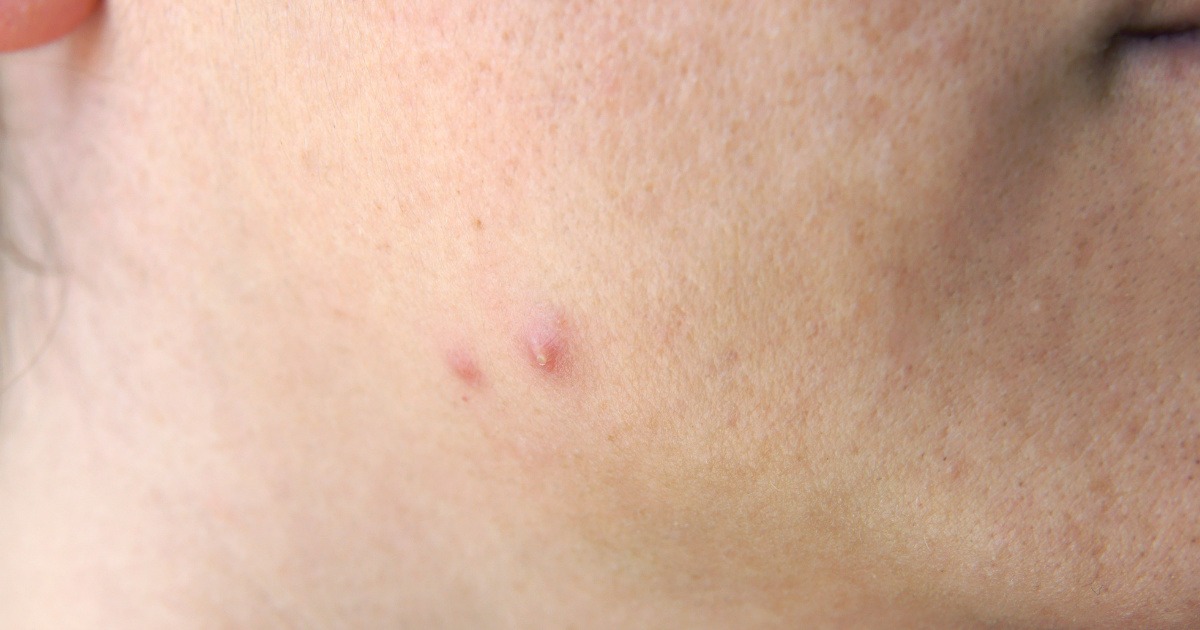
10. Diagnosing Comedonal Acne at the Cheek Region
Patients can self-recognize initial signs of comedonal acne at the cheek region. Nevertheless, if comedonal acne emerges with dense distribution or frequent recurrence patterns, patients should consult a dermatologist for precise diagnosis and tailored treatment protocol guidance.
11. Effective Comedonal Acne Treatment Methods
Utilizing Pore-Tightening Cosmetic Products: Enlarged pores and hyperactive sebaceous glands represent primary etiologies driving comedonal acne. Consequently, deploying specialized skincare formulations including serums, moisturizers, masks, etc., is necessary to regulate sebaceous gland activity and supply essential nutrients to skin.
Exfoliation: Maintaining periodic exfoliation twice weekly promotes deep cleansing, keeping pores patent, thereby preventing acne formation. Note: For skin experiencing severe acne, prioritize gentle chemical exfoliants, avoiding harsh physical scrubbing that can traumatize skin and exacerbate inflammation.
Topical Medications/Creams: Active agents like topical antibiotics, retinoids, salicylic acid, benzoyl peroxide, etc., present in specialized cream or cleanser formulations assist antibacterial action, mitigate inflammation, and accelerate comedone drying. Consult a dermatologist to select products and active ingredients matching specific skin conditions.
Advanced Technological Interventions at Reputable Medical and Aesthetic Facilities: High-tech acne treatment marks a breakthrough in medical aesthetics. Prominent modalities include:
Laser Therapy: Deploying laser light energy matching appropriate wavelengths to penetrate deep skin structural layers without surface trauma. Laser action helps regulate sebaceous glands, eradicate bacterial foci, mitigate inflammation, thereby supporting definitive resolution and minimizing scar formation risks.
Chemical Peels: Employing safe chemical compounds to eliminate sebum, debris, and keratinized dead skin layers from skin surfaces. Furthermore, this method stimulates drying and extrusion of comedones onto skin surfaces efficiently. Post-treatment, skin tends to become smoother and clearer.
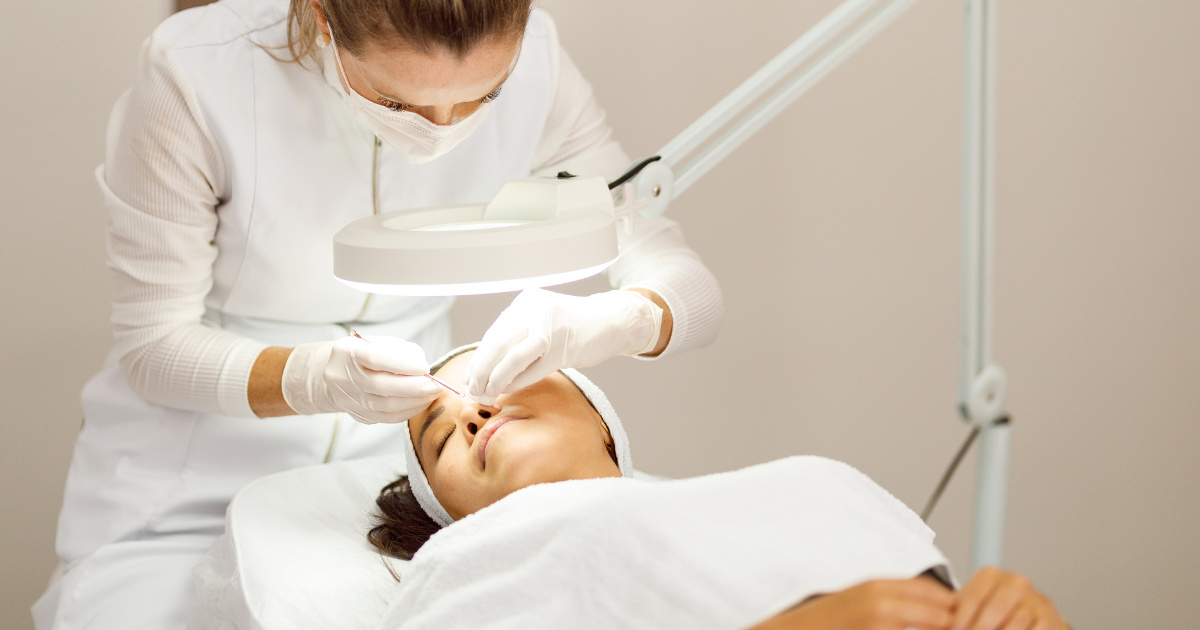
Comedone Extraction: Patients must never manually extract acne via fingers or unsterilized instruments, as infection and skin trauma risks are extremely high. Instead, comedone extraction must be performed at reputable medical facilities or spas adhering strictly to medical protocols and technical expertise.
Systemic Oral Pharmacotherapy Prescribed by Physicians: Based on specific acne etiologies, physicians may prescribe various oral medications including antibiotics, hormone-balancing agents, or liver support products. Throughout treatment, patients must strictly adhere to physician directives concerning dosage and treatment courses without self-discontinuing or abusing medication.
12. Frequently Asked Questions
What is the primary cause of comedonal acne?
Comedonal acne forms primarily due to pore occlusion driven by combinations of excess oil, dead skin cells, and debris. Other contributing factors like hormonal disorders, psychological stress, unsuitable cosmetics, and unscientific lifestyle habits also represent prevalent triggers.
Can comedonal acne resolve on its own?
Comedonal acne rarely resolves entirely on its own. Because comedones reside deep beneath the skin surface, they can persist over prolonged periods or evolve into inflammatory acne (nodules, pustules) if intervention is neglected. Treatment is necessary to facilitate comedone extrusion.
How can comedonal acne be treated effectively?
To achieve effective treatment, focus on securing pore patency. Critical steps encompass:
Deep Cleansing: Diligent makeup removal and appropriate facial cleansing.
Chemical Exfoliation: Utilizing formulations incorporating AHA or BHA.
Retinoid Integration: Facilitating keratinization normalization, comedone maturation, and expulsion.
Should conditions fail to improve, consult a dermatologist.
Can comedonal acne be treated at home?
Yes. Begin by establishing a scientific skincare routine: thorough cleansing, regular exfoliation (1-2 times weekly), adequate moisturization, and maintaining a healthy lifestyle. Strictly avoid manually squeezing comedonal acne, as this provokes inflammation, hyperpigmentation, and scarring.
What is tiny comedonal acne on the cheeks and what should be done?
This presentation refers to small-sized comedonal acne on the cheeks frequently aggregating in clusters. Etiologies usually correlate with pore-clogging cosmetics or inadequate skin hygiene. Management parallels conventional comedonal acne, focusing on deep cleansing and chemical exfoliation (BHA representing an optimal choice) to clear pores.
Comedonal acne on the cheeks is a prevalent skin condition that is entirely improvable. Rather than experiencing excessive anxiety, view this as a signal initiating a more scientific skincare routine. Persevering with deep cleansing, proper exfoliation, and lifestyle maintenance not only resolves existing lesions but establishes a solid foundation preventing recurrence, delivering healthier, smoother skin.
The information above is for reference purposes only and is not intended as medical advice. Please contact your doctor for detailed medical consultation.