

Anorectal Department

Overview
Diseases of the anal‑rectal region are among the most common ailments today. Previously, patients with benign anal conditions such as hemorrhoids, anal fissures, anal prolapse, etc., when examined at hospitals, were usually assigned to internal or surgical gastroenterology clinics. In these clinics, patients were not examined by specialists in anorectal disorders, thus could not access definitive, precise treatment methods.
The Anorectal Department of the University of Medicine and Pharmacy Hospital, Ho Chi Minh City was established to promptly meet the need for specialized diagnosis and treatment of benign anorectal diseases and conditions causing defecation disorders. It is also the first Anorectal Department established in Vietnam.
The Anorectal Department of the University of Medicine and Pharmacy Hospital, Ho Chi Minh City is equipped with complete modern facilities and equipment to provide patients with minimally invasive, highly effective treatment methods. With a multidisciplinary approach, collaboration with many related specialties, a dedicated team of doctors and comfortable bed systems, the Anorectal Department is a trusted destination for hundreds of thousands of patients throughout its operation.
With the motto “Deliver smiles, keep trust”, what patients receive when visiting and receiving treatment at the department, besides quality assurance, is a comfortable, trustworthy feeling provided by a friendly, attentive staff who wholeheartedly care for them.
Strength
The Anorectal - Rectum Department of Ho Chi Minh City University of Medicine and Pharmacy Hospital specializes in the examination and treatment of anorectal diseases as well as pelvic floor disorders. Especially for pelvic floor conditions, the department has implemented advanced surgical techniques. Compared with other hospitals in Vietnam, the department proudly leads the nation in the number of patients examined and the number of anorectal surgeries performed.
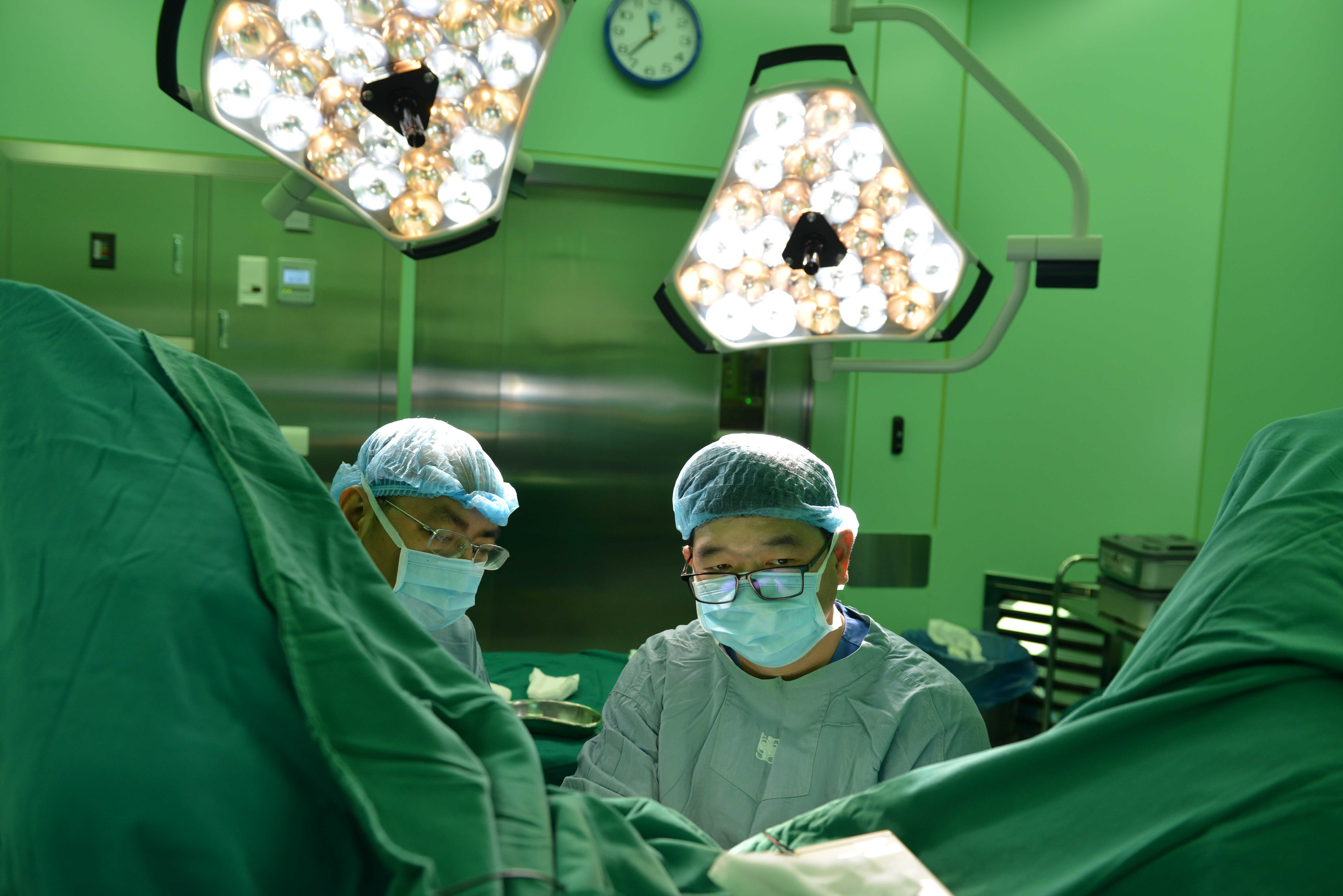
Rapid disease resolution combined with consistently ensured treatment quality demonstrates the department’s leading position in Vietnam for anorectal and pelvic floor diseases. The surgeries that can be performed in the department include:
Surgery for treating various prolapses on the levator muscle – TROPIS and PERFACT procedures for complex anorectal fistulas
Transanal rectal prolapse repair with levator ani muscle plication for full‑thickness rectal prolapse (rectal pocket type)
Posterior vaginal wall reconstruction by direct suturing, with or without simple mesh placement, combined in the treatment of rectal pocket prolapse through the perineal floor.
Placement of a two‑arm mesh sling on the posterior vaginal wall to treat rectal pocket prolapse and pelvic floor prolapse through the vaginal route.
Placement of a mesh on the posterior vaginal wall for rectal pocket prolapse and pelvic floor prolapse.
Pelvic floor muscle (levator) reconstruction for pelvic floor laxity via the perineal route.
Anterior vaginal mesh placement to treat bladder prolapse and genital prolapse.
Anterior and posterior vaginal mesh sling placement for combined anterior and posterior vaginal prolapse with genital prolapse.
Six‑arm mesh placement for anterior, vault, and posterior vaginal prolapse after total hysterectomy.
STARR surgery for rectal pocket prolapse and rectal tube prolapse.
Posterior wall plication surgery for pelvic floor prolapse.
LIFT (ligation of intersphincteric fistula tract) procedure.
Laparoscopic (endoscopic) rectal suspension suture surgery for rectal prolapse.
Laparoscopic resection of the sigmoid colon due to sigmoid colon disease.
Laparoscopic abdominal approach to total colectomy due to whole colon disease.
Altemeier procedure
Surgical repair of rectovaginal fistula caused by benign conditions via the abdominal route.
Pelvic floor (levator) reconstruction surgery for grade 3 and 4 perineal tear.
House‑shaped skin flap sliding surgery for severe anal stenosis.
Limberg flap excision of fistula tract with rhomboid skin flap rotation for complex pilonidal disease
Bascom procedure for chronic complex sacrococcygeal pilonidal disease
Partial levator ani resection via the posterior perineal approach to treat constipation caused by levator ani spasm.
Training & Research
Regarding education, the department conducts teaching and clinical practice for third- and sixth-year medical students, nursing students, and postgraduate trainees (specialty 1, specialty 2, doctoral). Additionally, the department organizes training for doctors, participates in specialist presentations for referring units on the Anorectal - Rectum specialty. It implements a training plan within the department for nursing staff with instructors primarily being the department’s own physicians.
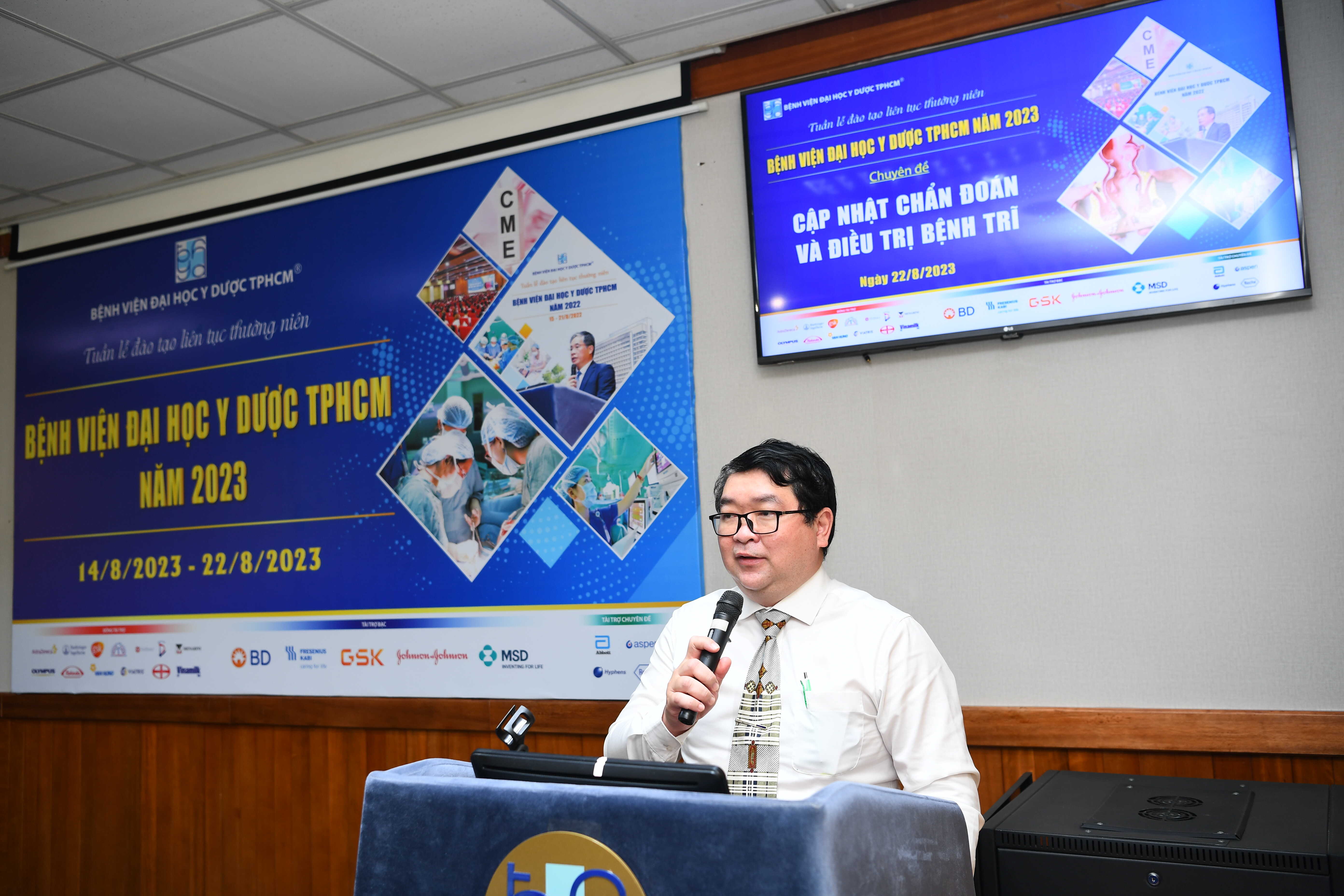
In parallel with the aforementioned training and education activities, the department also supports postgraduate surgical trainees in data collection for thesis completion; provides practical guidance for medical secretaries; participates in teaching the Anorectal certification for postgraduate classes; organizes basic Anorectal - Rectum certification courses for general surgeons; offers Longo courses in collaboration with Vietmedic and Medtronic.
Regarding scientific research, the Anorectal - Rectum Department conducts research and implements scientific advances to serve the diagnosis and treatment of anorectal diseases. It also exchanges research experience with domestic and international medical institutions.
Regarding education, the department conducts teaching and clinical practice for third- and sixth-year medical students, nursing students, and postgraduate trainees (specialty 1, specialty 2, doctoral); training for doctors, and participation in specialist presentations for referring units on the Anorectal - Rectum specialty. It implements a training plan within the department for nursing staff with instructors primarily being the department’s own physicians.
In parallel with the aforementioned training and education activities, the department also supports postgraduate surgical trainees in data collection for thesis completion; provides practical guidance for medical secretaries; participates in teaching the Anorectal certification for postgraduate classes; organizes basic Anorectal - Rectum certification courses for general surgeons; offers Longo courses in collaboration with Vietmedic and Medtronic.
Regarding scientific research, the Department of Anorectal studies and implements scientific advances to serve the diagnosis and treatment of anorectal diseases. At the same time, it exchanges research experience with medical institutions both domestically and abroad.
Equipments
The Anorectal - Rectum Department is equipped with examination, imaging, and bowel function testing equipment meeting the specialty standards, including:
Digital colon-rectum endoscopy
Video-proctoscope method for imaging the anus during defecation: non‑invasive imaging that helps physicians accurately diagnose rectal prolapse and differentiate it from other conditions such as hemorrhoids.
Measurement of anal‑rectal sphincter pressure and urodynamic pressure.
Electromyography (EMG) of the levator ani and rectum using St. Mark electrodes
Dynamic colon X‑ray (Colonic transit time Sitzmarks),
Pelvic floor dynamic MRI (MRI defecography), MRI assessment of anorectal fistula tracts, MRI assessment of pudendal nerve
Biofeedback training device (BFT) and electrical stimulation (EST), interferential electrical stimulation
Hemorrhoid suspension suturing instrument (advanced Longo surgery)
Various staplers for Longo procedures, ultrasonic cutting knives for hemorrhoid excision.
In particular, equipment such as MRI for assessing anorectal fistula tracts has enabled the department to accurately diagnose fistula injuries and manage this condition effectively, reducing recurrence rates of anorectal fistulas.
Moreover, with tools such as the hemorrhoid suspension suturing instrument and Doppler ultrasound for locating hemorrhoidal arteries, the Anorectal - Rectum Department has successfully performed modern hemorrhoid surgeries comparable to international standards, reducing postoperative pain (the symptom patients fear most) and shortening hospital stay.
Along with modern equipment, the treatment rooms are fully equipped with examination tools such as thermometers, blood pressure monitors, flashlights, and X‑ray viewing lights. The wards feature modern beds, each equipped with a nurse call system, lighting, oxygen supply, etc., providing all conditions for patients to rest and recover comfortably.
Staff
The Department of Anorectal - Rectum has a staff team including many Associate Professors, PhDs, Masters, doctors, nursing graduates, specialist nurses with extensive experience, always receiving professional training and skill development. Among them, many doctors are leading experts in the field of proctology.