

Otolaryngology Department

Overview
The Otolaryngology Department of Ho Chi Minh City University of Medicine and Pharmacy Hospital was established in 2011 (originating from the Otolaryngology Clinic founded in 1994), building on the inherited and expanded experience of leading experts from the Department of Otolaryngology at the University of Medicine and Pharmacy.
We provide comprehensive healthcare solutions and apply medical techniques ranging from basic to advanced in treating ENT diseases. Our mission is to become a leading ENT center in treatment, research, and training.
We commit to providing an environment where patients receive not only specialized treatment but also high‑quality care services. Additionally, we offer training programs for colleagues and trainees to help improve community health care quality in general and ENT care in particular.
Strength
The ENT Department of University of Medicine and Pharmacy Hospital in Ho Chi Minh City currently primarily addresses most diseases and trains in fields related to functional treatment and surgery of ENT region diseases.
NOSE – THROAT – NERVOUS SYSTEM includes the following areas: Rhinology, sinus surgery, facial skull, and endoscopy of the anterior and middle skull base.
1. Types of tumors and disorders of the sinuses, anterior and middle skull base, and orbital cavity
Nosebleeds, cerebrospinal fluid leak through the nose.
Brain herniation – meninges in the anterior and middle skull base region.
Orbital disease due to hyperthyroidism.
Compression of the orbit, optic nerve: trauma, infection.
Nasolacrimal duct obstruction.
Nasal cavity cystic tumor, odontogenic cystic tumor.
Osteogenic fibroma, fibrous dysplasia, bone tumor of the sinus region.
Nasal cavity and sinus tumors: inverted papilloma, malignant adenoma, nasopharyngeal carcinoma.
Olfactory tumor, meningioma, chordoma. Rare tumors: muscle sarcoma, cartilage sarcoma, pseudotumor inflammation.
2. Chronic sinus diseases and structural disorders
Chronic sinusitis: bacterial, fungal.
Atrophic sinusitis, nasal polyp, mucocele.
Septal deviation and excessive nasal turbinate hypertrophy…
Foreign bodies in the sinuses.
3. Loss of smell
Trauma.
Inflammation.
4. Immune allergies
Allergic rhinosinusitis in adults.
Allergic rhinitis in children.
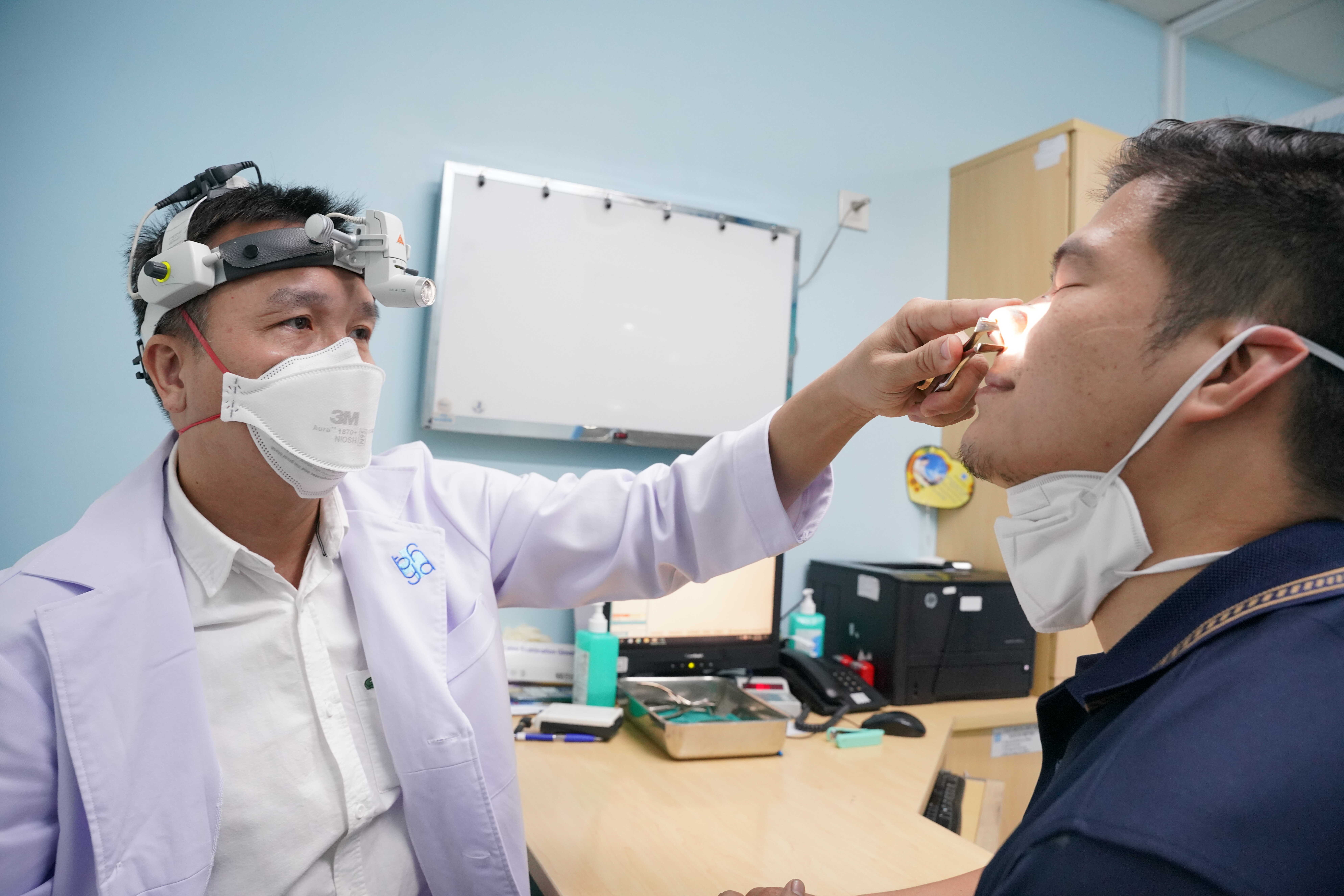
MOUTH - THROAT – LARYNX includes the following areas: Pharynx & tonsils, speech & swallowing disorders, snoring & sleep apnea, upper airway obstruction.
1. Throat and mouth diseases
Tonsil diseases.
Reflux disease.
Mouth diseases: tumors, salivary gland cysts.
Salivary gland stones.
Salivary gland infection.
Sjogren's syndrome, tongue disease.
2. Speech & swallowing disorders, Laryngitis
Hemorrhage, cysts, nodules, vocal cord polyps.
Vocal cord atrophy (presbyphonia).
Voice disorders due to muscle tension.
Vocal cord functional disorders.
Vocal cord paralysis.
Swallowing disorders.
Speech and swallowing disorders due to neurological causes.
3. Upper airway obstruction
Acute laryngitis.
Subglottic laryngitis.
Laryngeal and tracheal nodular tumors.
Laryngeal & hypopharyngeal cancer.
Tongue base tumor.
Tracheal stenosis scar.
Tracheal cartilage softening.
4. Surgery for snoring & sleep apnea
Nasal cavity surgery: septoplasty, inferior turbinate reduction, nasal valve reconstruction, removal of tumors and polyps from the nasal cavity.
Palate surgery: palate remodeling, tonsillectomy, high-level palate radiofrequency ablation, palate implant placement.
Tongue base surgery: tongue base tonsillectomy, midline partial tongue resection, genioglossus muscle shortening, muscle & tongue suspension, tongue suturing. Maxillary and mandibular advancement surgery, tracheostomy.
EAR – NERVOUS SYSTEM includes the following areas: audiology, vertigo – balance, ear surgery and lateral skull base surgery.
1. Types of tumors and disorders of the ear and lateral skull base
Maxillary bone cancer.
Acoustic neuroma.
Paraganglioma (glomus jugulare, glomus tympanicum).
Vascular malformations and abnormal vessels of the maxillary bone.
Cerebrospinal fluid leak through the ear, eustachian tube.
Rare tumors (meningioma, lipoma, muscle sarcoma, chordoma, cartilage sarcoma, pseudotumor inflammation).
2. Chronic ear diseases
Chronic otitis media and mastoiditis.
Cholesteatoma.
3. Hearing loss
Presbycusis.
Congenital hearing loss.
Otospongiosis.
Interrupted ossicular chain.
Sudden deafness.
Autoimmune inner ear disease.
4. Vertigo and balance
Meniere’s disease, vestibular migraine.
Benign paroxysmal positional vertigo.
Superior semicircular canal dehiscence syndrome.
Vestibular neuritis.
HEAD AND NECK SURGERY includes the following areas: Cancer, trauma, congenital anomalies, salivary glands, thyroid, and reconstruction.
1. Cancer
Laryngeal and hypopharyngeal cancer.
Sinus cancer.
Oral cavity cancer.
Oropharyngeal cancer.
Salivary gland cancer.
Thyroid cancer, head and neck sarcoma.
Skin cancer of head and neck region.
Cancer of unknown primary.
2. Trauma
Laryngeal and tracheal injuries.
Maxillofacial injuries.
Neck injuries.
Zygomatic bone injuries.
3. Reconstruction
Facial paralysis.
Ear auricle reconstruction.
Nasal reconstruction after trauma or cancer.
Skin cancer and Moh’s surgery.
Facial skull reconstruction.
4. Infections
Congenital fistulas and cysts.
Deep neck infections.
PAEDIATRIC ENT includes the following areas: upper respiratory infectious diseases (sinus, middle ear, tonsil – adenoid), congenital anomalies of the head and neck region (maxillofacial, upper airway, choanal pathology, ear anomalies).
1. Upper respiratory infectious diseases
Sinusitis.
Otitis media.
Tonsillitis, adenoiditis.
2. Congenital diseases and head and neck tumors
Maxillofacial anomalies: cleft palate, nasal choanal atresia, facial skull abnormalities.
Skull base anomalies: cerebrospinal fluid leak through nose, ear, encephalocele – meninges through the nose.
External and middle ear anomalies.
Choanal diseases: cysts, sinus, choanal leaks.
Tracheal anomalies: tracheoesophageal fistula, tracheal stenosis scar.
Neck region tumors: lymphangioma, hemangioma. Disorders, anterior and middle skull base tumors.
With a highly skilled and ethical workforce, the ENT Department always provides attentive and dedicated care in each examination, treatment, and follow‑up for patients. Combining human factors with modern equipment and continuously updated advanced technology, the department builds services with professional treatment processes, delivering optimal results for patients who come here. In addition to being a reputable medical center, the ENT Department of University of Medicine and Pharmacy Hospital in Ho Chi Minh City is also a place for advanced training and technology transfer for doctors and medical facilities both domestically and abroad, aiming to expand opportunities so patients everywhere can receive the most suitable, advanced, and effective treatment.
Training & Research
The ENT Department continuously conducts training programs at the hospital and internally. In addition, the department successfully completes training programs and provides guidance for nursing according to the continuous training program in the department. At the same time, the department integrates training, research, international cooperation and development to provide medical services of the highest quality.

The ENT Department continuously conducts training programs at the hospital and within the department such as: including resident physicians, postgraduate fellows, second‑level specialists rotating for internships; guiding postgraduate doctors to carry out graduation projects at the hospital; organizing basic endoscopic surgery courses (each lasting 2 months, with about 10‑12 participants) and advanced sinus endoscopy courses annually (each lasting 1 month, with 10‑12 participants).
The ENT Department conducts research, implements scientific advances to serve screening, diagnosis and treatment of ENT diseases. At the same time, it cannot be ignored the cooperation, experience exchange with medical facilities and publishing many articles in the field of ENT domestically and internationally.
The department regularly organizes advanced knowledge and surgical skill classes based on cooperation with experts from Thailand, Malaysia, Singapore, the United States, Australia, ... At the same time, it sends staff to participate in short-term training courses on ENT diseases abroad such as Taiwan, South Korea, ...
Equipments
The ENT Department continuously promotes investment in modern equipment and machinery to shorten postoperative time and improve patients' quality of life after surgery. Therefore, the system of rooms and equipment in the department always serves as evidence of service quality:
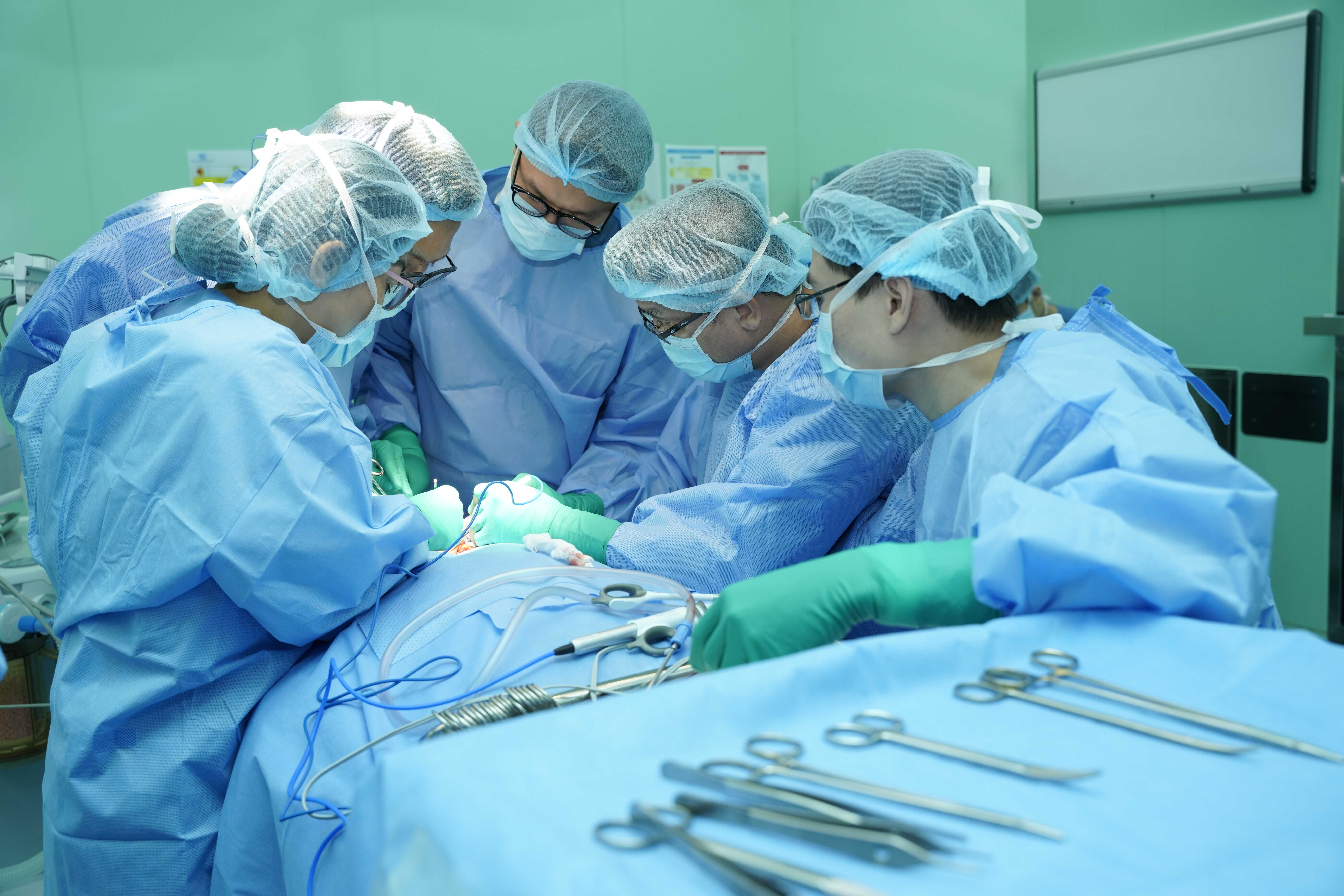
Operating rooms are fully equipped with instruments such as head and neck - throat - larynx - ear - nerve - sinus surgical tools, laser knives, plasma knives, endoscopes, ...
Outpatient rooms are equipped with examination and ENT endoscopic instruments, allowing free procedures.
Procedure room performs procedures and ENT endoscopy.
Ward is arranged with modern beds, each equipped with call system, providing active patient care.
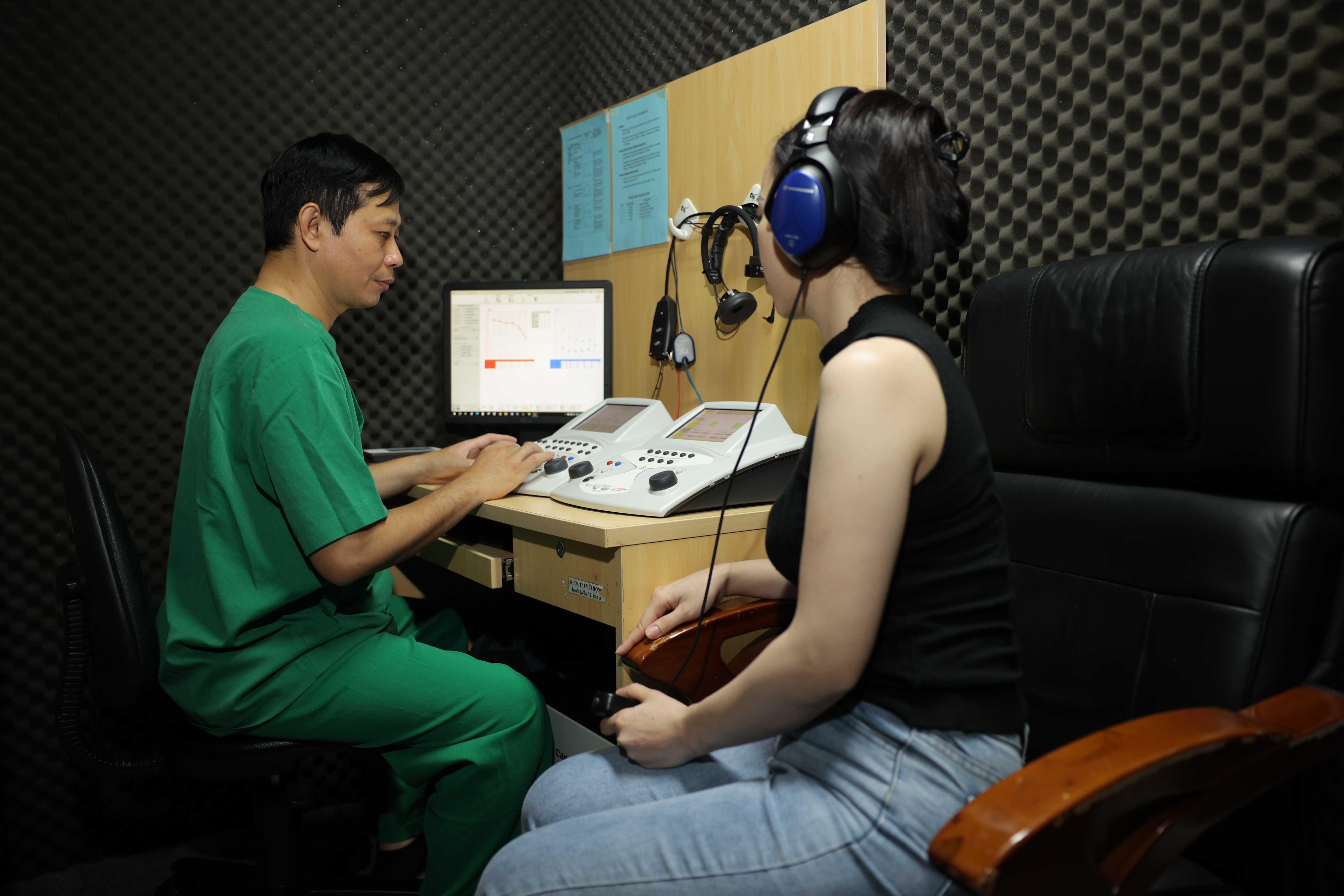
- Other equipment: Audiometer, tympanometer, otoscope.
Staff
The ENT Department has a staff team with qualifications including Professors, Doctors, Masters, physicians, bachelor of nursing, secondary nursing, medical secretaries, primary care nurses, professional ward attendants with many years of experience, continuously trained in professional knowledge and work skills.