

A Heart's Journey from North to South Revives a Child's Life in the Early Days of Spring
In the early hours of the seventh day of the Lunar New Year 2026 (Year of the Horse), University Medical Center Ho Chi Minh City (UMC) successfully performed its ninth heart transplant from a brain-dead donor, saving the life of an 11-year-old pediatric patient with end-stage heart failure. The emergency procedure was conducted overnight, as many medical staff were just returning to the city following the Lunar New Year holiday.
At 4:00 PM on the sixth day of the Lunar New Year, UMC received notification from the National Coordinating Center for Human Organ Transplantation regarding a compatible donor heart at Bach Mai Hospital in Hanoi. According to clinical evaluations, the donor's condition was unstable; prolonging resuscitation in brain death could compromise organ viability. Consequently, the window for organ procurement and inter-hospital transit was critically narrow.
In the early hours of the seventh day of the Lunar New Year 2026 (Year of the Horse), University Medical Center Ho Chi Minh City (UMC) successfully performed its ninth heart transplant from a brain-dead donor, saving the life of an 11-year-old pediatric patient with end-stage heart failure. The emergency procedure was conducted overnight, as many medical staff were just returning to the city following the Lunar New Year holiday.
At 4:00 PM on the sixth day of the Lunar New Year, UMC received notification from the National Coordinating Center for Human Organ Transplantation regarding a compatible donor heart at Bach Mai Hospital in Hanoi. According to clinical evaluations, the donor's condition was unstable; prolonging resuscitation in brain death could compromise organ viability. Consequently, the window for organ procurement and inter-hospital transit was critically narrow.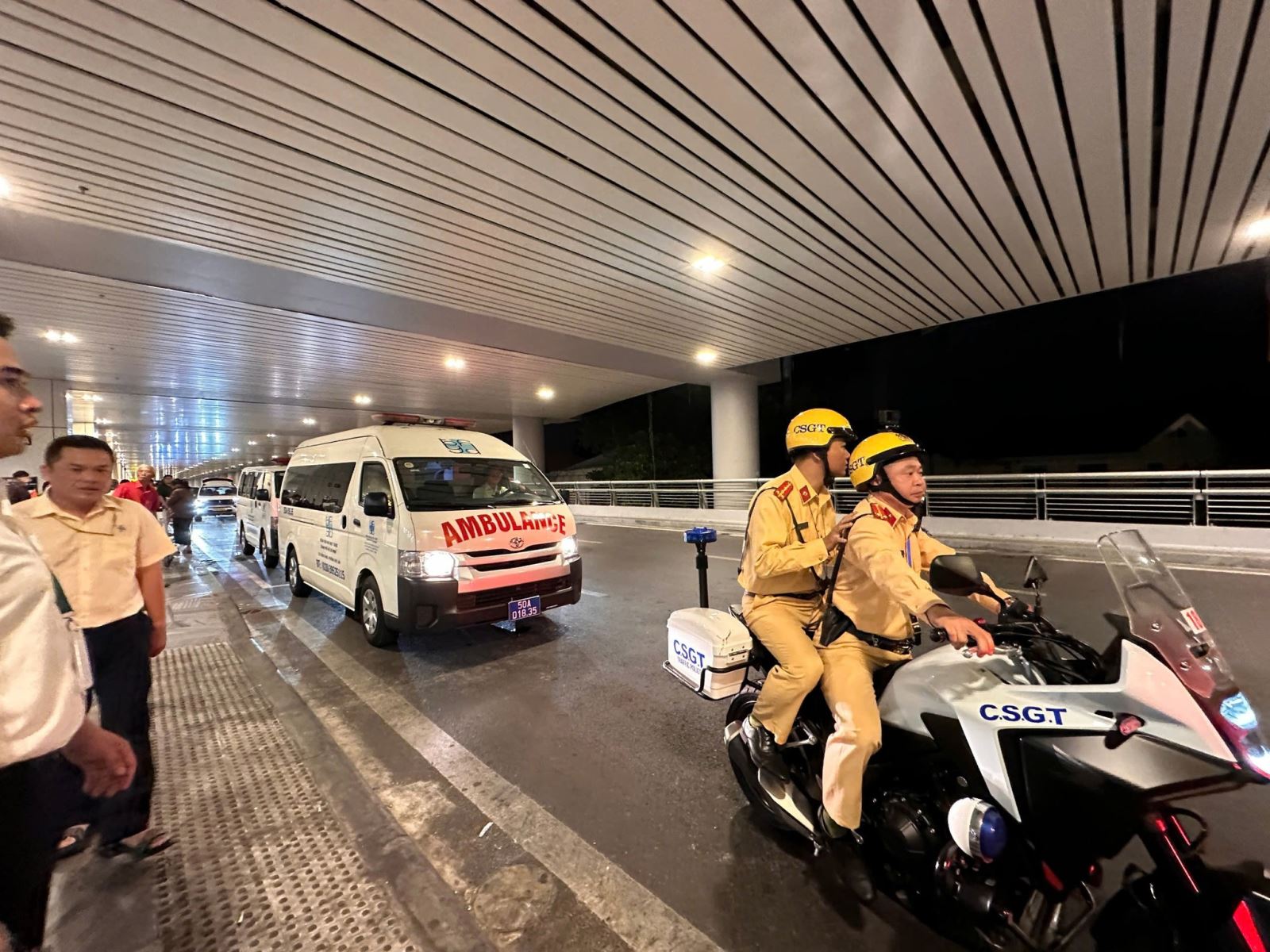
Immediately upon receiving the notification, the Hospital’s Board of Directors activated the emergency heart transplantation protocol. Within just over an hour, a specialized team comprising cardiac surgeons, anesthesiologists, intensive care specialists, perfusionists, nurses, and operating room technicians assembled in full and caught the earliest available flight to Hanoi. Numerous healthcare personnel proactively rushed back to the Hospital upon receiving mobilization orders.
The donor heart was flown into Ho Chi Minh City at 3:45 AM on the seventh day of the Lunar New Year. The transplant surgery commenced immediately under rigorous clinical protocols. By approximately 4:45 AM, the new heart resumed beating in the recipient’s chest with strong, steady rhythm. The initial postoperative recovery was favorable with stable hemodynamics, and the young patient continues to be closely monitored in the Intensive Care Unit.
Prof. Nguyen Hoang Dinh, MD, PhD—Vice Director of the Hospital, Head of the Heart Transplant Team, and Lead Surgeon—noted that within just one week, immediately before and after the Tet holiday, the Hospital conducted two consecutive heart transplants. This demonstrates the high readiness and proactive coordination of the entire transplantation system, ensuring rapid, seamless mobilization under any circumstances to offer patients the optimal chance of survival.
UMC expresses its deepest gratitude for the noble gesture of the organ donor and their family. This profound, humanitarian decision revitalized a life while spreading the vital message of tissue and organ donation across the community.
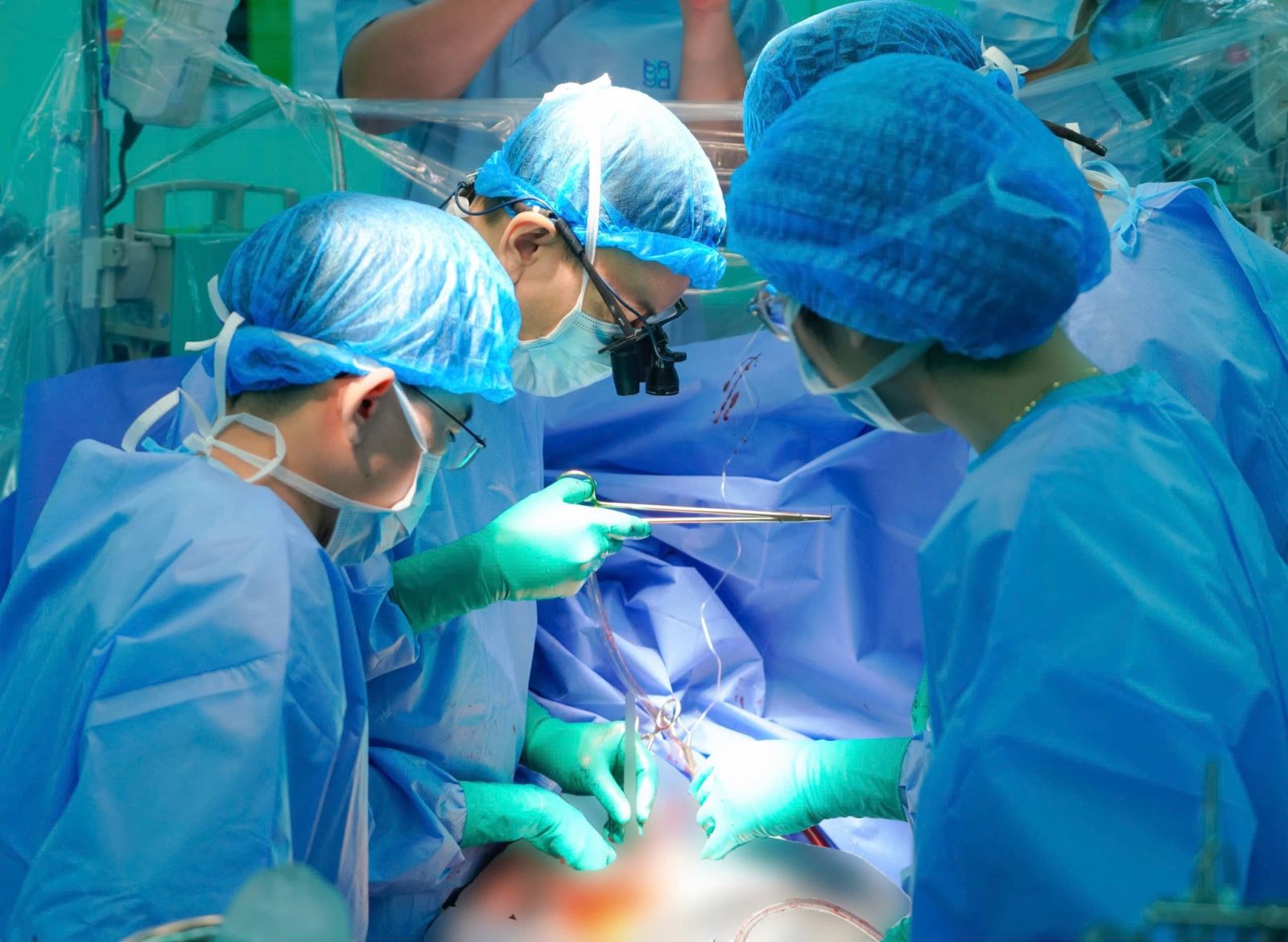
To date, UMC has performed a total of 214 solid organ transplants, including 97 kidney transplants, 108 liver transplants, and 9 heart transplants. Looking ahead, the Hospital will continue to strengthen collaboration with the National Coordinating Center for Human Organ Transplantation and medical institutions nationwide to reduce organ transit times, optimize therapeutic outcomes, and expand survival opportunities for patients with end-stage organ failure.