

An Overnight Heart Transplant at University Medical Center Ho Chi Minh City: A Race Against Time to Conclude 2025
On December 31, 2025, University Medical Center Ho Chi Minh City (UMC) successfully performed a heart transplant for a 15-year-old boy suffering from end-stage heart failure. The procedure turned exceptionally critical when, during surgical preparation, the young patient suddenly suffered cardiac arrest on the operating table. As the donor heart was being rushed to the Hospital, the surgical team had to simultaneously perform cardiopulmonary resuscitation and initiate extracorporeal circulation to keep the child alive.
According to Prof. Nguyen Hoang Dinh, MD, PhD—Vice Director of the Hospital and Head of the Heart Transplant Team—this was one of the most severe and demanding cases the transplantation team had ever faced. The adolescent was admitted with end-stage heart failure, his heart having virtually lost contractile function despite maximal therapy with multiple high-dose vasopressors and inotropes. Prolonged heart failure had triggered concomitant hepatic and renal failure, alongside extensive systemic dysfunctions.
Following multidisciplinary consultations, the medical team determined that an urgent heart transplant was the sole therapeutic option that could offer the boy a chance at survival. Nonetheless, the procedure carried severe risks, including severe pulmonary hypertension, high infection susceptibility, multiorgan failure, and severe intraoperative and postoperative complications. Without a transplant, however, the patient would certainly not survive. Even though the estimated prognosis was extremely precarious, the team resolved to grant the patient this final chance at life.
The most harrowing moment unfolded immediately prior to transplantation, when the patient abruptly went into cardiac arrest directly on the operating table. Faced with this hyperacute crisis, the surgical team had to execute cardiopulmonary resuscitation while urgently establishing extracorporeal circulation to sustain the patient's vital signs, buying precious time while the donor heart arrived.
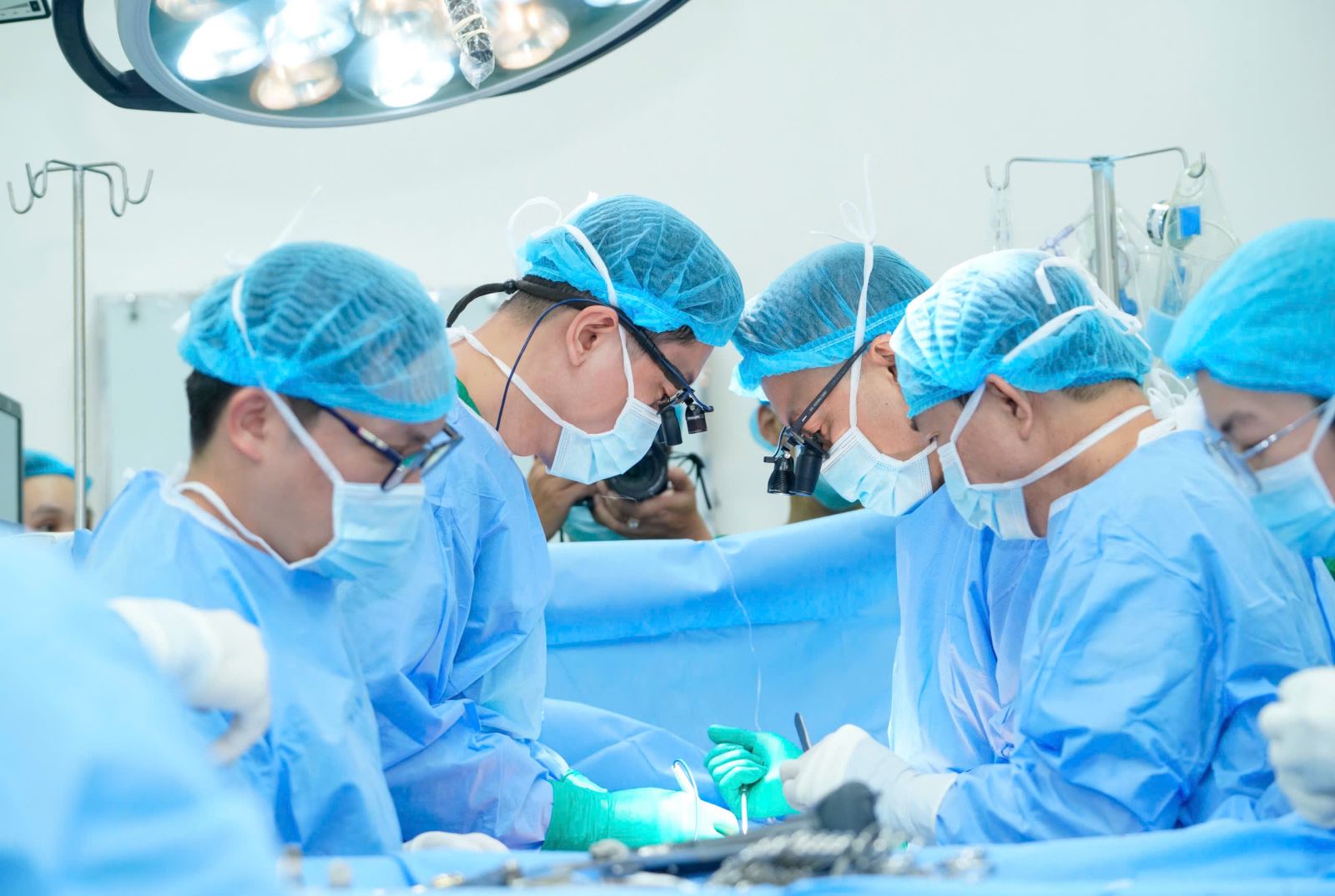
The donor heart was coordinated from People's Hospital 115 through the National Coordinating Center for Human Organ Transplantation and transported to UMC in the shortest possible timeframe. Technically, the heart transplant proceeded precisely according to the surgical plan. At 7:30 AM that same morning, the new heart's first beats resonated within the young boy's chest, filling the operating room with overwhelming emotion and marking a defining turning point in his revival.
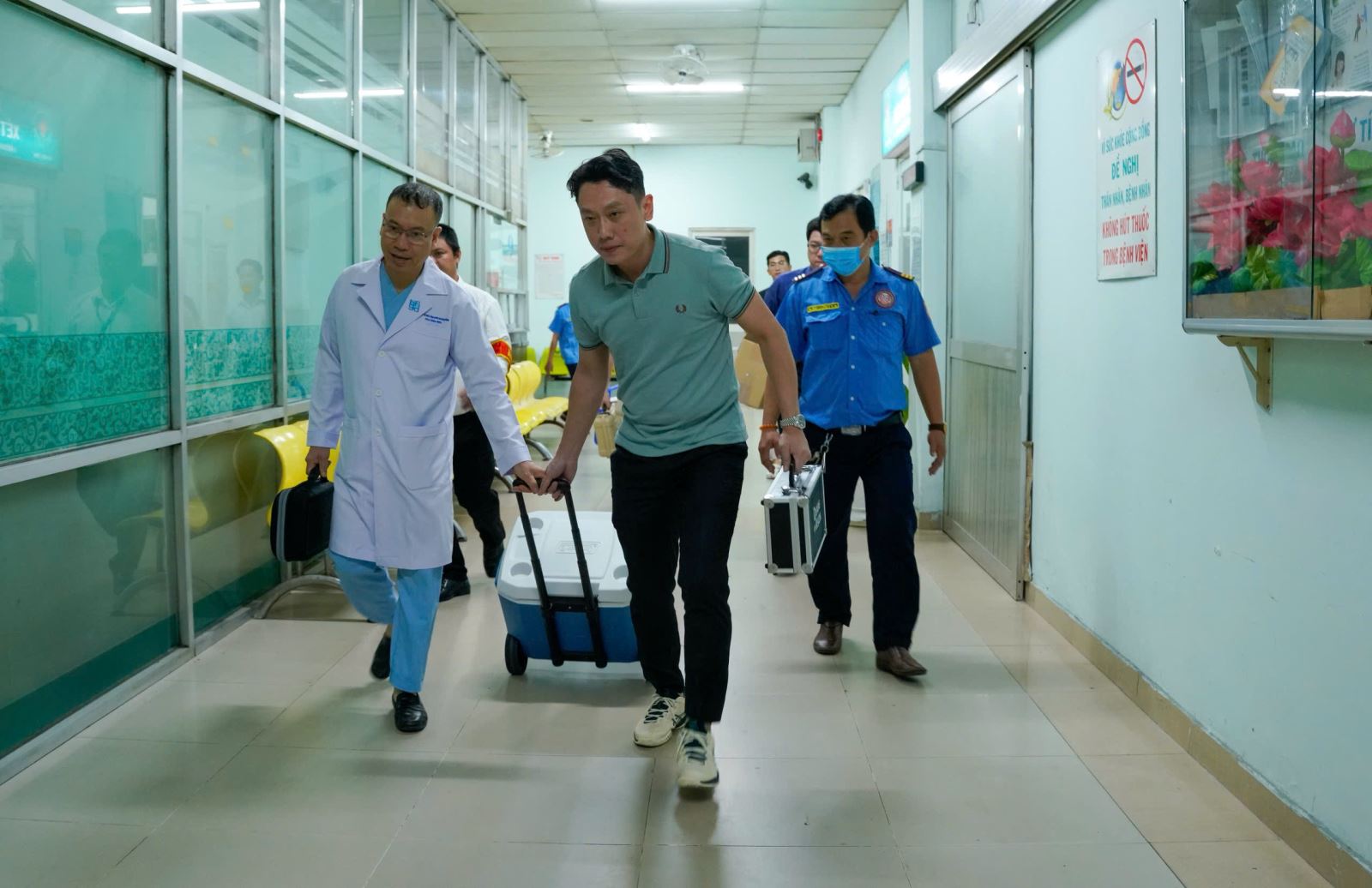
The initial success of this heart transplant reflects the overarching leadership of the Hospital’s Board of Directors, particularly the strategic guidance and stewardship of Assoc. Prof. Nguyen Hoang Bac, MD, PhD, Director of the Hospital, in systematically refining the organ transplantation protocols over the years. Building upon that framework was the seamless, synchronized coordination across clinical departments—including Adult Cardiac Surgery, Pediatric Cardiac Surgery, Anesthesiology and Intensive Care, the Post-Transplant Intensive Care Unit, and associated support services—ensuring rapid, precise, and safe mobilization for highly complex cardiac transplant cases.
Closing out 2025, the transplant on December 31 stands not only as a pivotal clinical milestone, but also as vivid proof of the resilience, expertise, and maturation of the heart transplantation program at UMC. From this profound humanitarian gesture, beyond the heart transplanted into the pediatric patient, the donor's lungs, liver, corneas, and both kidneys were coordinated in time, sustaining life for multiple individuals. University Medical Center Ho Chi Minh City extends its deepest and most respectful gratitude to the organ donor and their family. Their selfless gift will endure, renewing faith and hope for countless patients, while serving as a profound source of inspiration for the medical staff to persevere in preserving and extending human life.