

Comprehensive care after endoscopic esophageal variceal ligation

Comprehensive care after endoscopic esophageal variceal ligation
After undergoing endoscopic esophageal variceal ligation, proper care plays a crucial role in ensuring a smooth recovery and minimizing the risk of complications. This article provides comprehensive guidance on diet, daily activities, and warning signs to monitor, helping patients better understand how to care for their health at home.
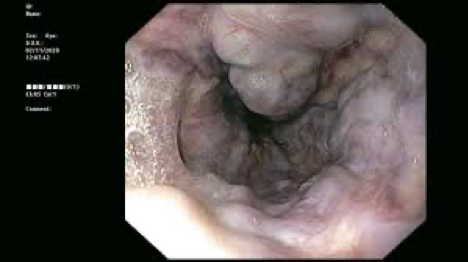
What is esophageal variceal ligation?
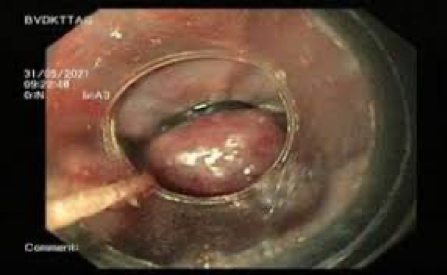
Endoscopic esophageal variceal ligation is a medical procedure that uses an endoscope to place small rubber bands around dilated esophageal veins. The rubber bands cut off the blood supply to the varices, causing them to undergo necrosis and detach after several days or weeks [1]. The procedure plays an important role in controlling bleeding in cases of gastrointestinal hemorrhage caused by esophageal varices and reducing the long-term risk of rebleeding [1, 5].
Immediate hospital care after the procedure
Post-anesthesia/sedation monitoring
Esophageal variceal ligation is usually performed under anesthesia. After the procedure, the patient will be monitored in the recovery room until fully awake and vital signs are stable [2].
Common sensations
Medications used during the procedure may remain effective for up to 24 hours. Therefore, you may feel:
- Fatigue
- Drowsiness
- Difficulty concentrating
When returning home, rest for the remainder of the day.
You may also experience:
- Sore throat
- Difficulty swallowing
- Mild abdominal cramping
- Feeling of tightness
- Bloating
These are normal reactions and usually subside within a few days [2]. Your doctor may prescribe pain medication to make you more comfortable.
Dietary regimen
1. After the procedure
Do not eat or drink anything for the first 1 hour
Afterward, start by taking small sips of plain water
A regular solid diet after 4 hours following esophageal variceal ligation is safe
2. During the following 1 week
- Soft, liquid, easy-to-swallow foods: Soups, porridge, yogurt, smoothies, soft fruits (bananas, avocados), soft-boiled eggs, minced meat, steamed fish.
- Adequate hydration: Drink plenty of plain water, non-acidic fruit juices, and herbal teas to keep the esophagus moist and prevent constipation.
Foods to avoid
- Alcoholic beverages: Alcohol must be strictly avoided as it can cause irritation, worsen liver disease, and increase the risk of bleeding [1].
- Hard, dry foods: Crispy toast, potato chips, nuts, and bone-in foods can injure the recently ligated esophageal area [2].
- Spicy, highly seasoned foods: Can cause esophageal mucosal irritation and increase discomfort.
- Extremely hot or cold foods: Avoid iced drinks, ice cream, or piping hot soups.
- Carbonated, acidic beverages: Carbonated soft drinks, orange juice, and lemon juice can cause discomfort.
Dietary precautions
- Eat slowly and chew thoroughly to make food easier to swallow.
- Divide into several small meals throughout the day instead of 3 large meals.
- Sit upright while eating and maintain that posture for at least 30 minutes after meals to prevent reflux.
Lifestyle and rest
- Adequate rest: During the first few days after the procedure, spend plenty of time resting.
- Avoid strenuous activity: Avoid heavy lifting and vigorous exercise for at least 1–2 weeks or as directed by your doctor.
Warning signs requiring immediate hospital attention
- Vomiting fresh blood or coffee-ground material
- Black tarry stools or fresh blood in stool.
- Severe, unrelieving chest pain.
- Shortness of breath, rapid breathing.
- Dizziness, lightheadedness, fainting.
- Unexplained high fever.
- Fatigue, dizziness, paleness, weakness, fainting – these are signs of blood loss
Professional consultation:
Doctor - Department of Endoscopy, University Medical Center Ho Chi Minh City
Frequently asked questions (FAQ)
Can I drive after esophageal variceal ligation?
You should not drive immediately after the procedure due to the effects of sedation. Please have a relative take you home. You may resume driving when you feel fully alert and no longer experience side effects from pain or sedative medications [2].
How long does post-procedure pain last?
Pain is usually mild and lasts a few days. If the pain persists or becomes severe, contact your doctor [2].
Do I need to change my current medications?
Do not alter any medication without consulting your doctor. In particular, blood thinners or nonsteroidal anti-inflammatory drugs (NSAIDs) may need to be temporarily paused or dosage-adjusted [2].
When can I return to work?
The time to return to work depends on the nature of your job and your recovery progress. For light work, you may return after a few days. For heavy physical work, a longer rest period of about 1–2 weeks may be required [2].
What should I do if I vomit blood?
Vomiting blood is a medical emergency. You must go to the emergency department immediately or call emergency medical services [1, 2].
Does esophageal variceal ligation completely cure the disease?
Esophageal variceal ligation helps control and prevent bleeding from existing varices. However, it does not cure the underlying cause (usually liver cirrhosis), and new varices may form or old ones may recur. Therefore, regular monitoring and follow-up examinations are essential [1, 5].
References
[1] Meseeha, M., & Attia, M. (2023). Esophageal Varices. StatPearls Publishing. https://www.ncbi.nlm.nih.gov/books/NBK448078/. Retrived: 2025-12-11.
[2] University Health Network. (n.d.). After Esophageal Varices Banding. https://www.uhn.ca/PatientsFamilies/Health_Information/Health_Topics/Documents/After_Esophageal_Varices_Banding.pdf. Retrived: 2025-12-11.
[3] Sidhu, S. S., Goyal, O., Singh, S., Kishore, H., Chhina, R. S., & Sidhu, S. S. (2019). Early feeding after esophageal variceal band ligation in cirrhotics is safe: Randomized controlled trial. Digestive Endoscopy, 31(6), 646–652. https://pubmed.ncbi.nlm.nih.gov/31038792/. Retrived: 2025-12-11.
[4] Pallio, S., Melita, G., Shahini, E., Vitello, A., Sinagra, E., Lattanzi, B., Facciorusso, A., Ramai, D., & Maida, M. (2023). Diagnosis and Management of Esophagogastric Varices. Diagnostics (Basel, Switzerland), 13(6), 1031. https://pmc.ncbi.nlm.nih.gov/articles/PMC10047815/. Retrived: 2025-12-11.
[5] Jakab, S. S., & Garcia-Tsao, G. (2020). Evaluation and Management of Esophageal and Gastric Varices in Patients with Cirrhosis. Clinics in Liver Disease, 24(3), 335–350. https://pmc.ncbi.nlm.nih.gov/articles/PMC11090175/. Retrived: 2025-12-11.
The information above is for reference purposes only and is not intended as medical advice. Please contact your doctor for detailed medical consultation.